How to Talk to Your Barber for the Exact Cut You Want
Tired of leaving the barbershop disappointed? Learn the exact terminology, preparation tips, and communication strategies to get the perfect haircut every time.

Sitting in the barber chair can sometimes feel like a high-stakes gamble with your personal appearance. You walk into the shop with a clear vision of a sharp, modern style, but thirty minutes later, you find yourself staring at a reflection that barely resembles what you had in mind. The disconnect between the chair and the mirror is a tale as old as time, but it is entirely preventable. Achieving the perfect haircut is not just about the skill of the person wielding the shears; it is heavily dependent on the quality of the communication before the cape even goes on.
Many men sit down, offer a vague instruction like "just a little off the top," and then silently hope for the best. This approach forces the barber to guess your preferences, lifestyle, and styling habits. Let's explore exactly how to bridge that communication gap. By understanding your own hair, learning the precise terminology, and knowing how to guide the consultation, you can ensure that every trip to the barbershop results in a masterful, confidence-boosting outcome.
The Preparation Phase: Knowing Your Canvas
Before stepping foot inside the shop, the groundwork for a phenomenal haircut begins in your own bathroom. You must understand the unique characteristics of your hair because a style that looks incredible on a Hollywood actor might be physically impossible to replicate on your head. Understanding the difference between hair texture and hair density is a fundamental game-changer.
Hair texture refers to the actual thickness of individual strands—whether they are fine, medium, or coarse. Hair density refers to how many strands are actively growing on your scalp. You can have fine hair that is incredibly dense, or coarse hair that happens to be thinning. When you understand your specific combination, you can start setting realistic expectations, and if coverage is a concern it pays to look at the best haircuts for men with thinning hair before you commit to anything. For example, a heavily textured, messy fringe requires a certain amount of density to lay correctly without looking sparse.
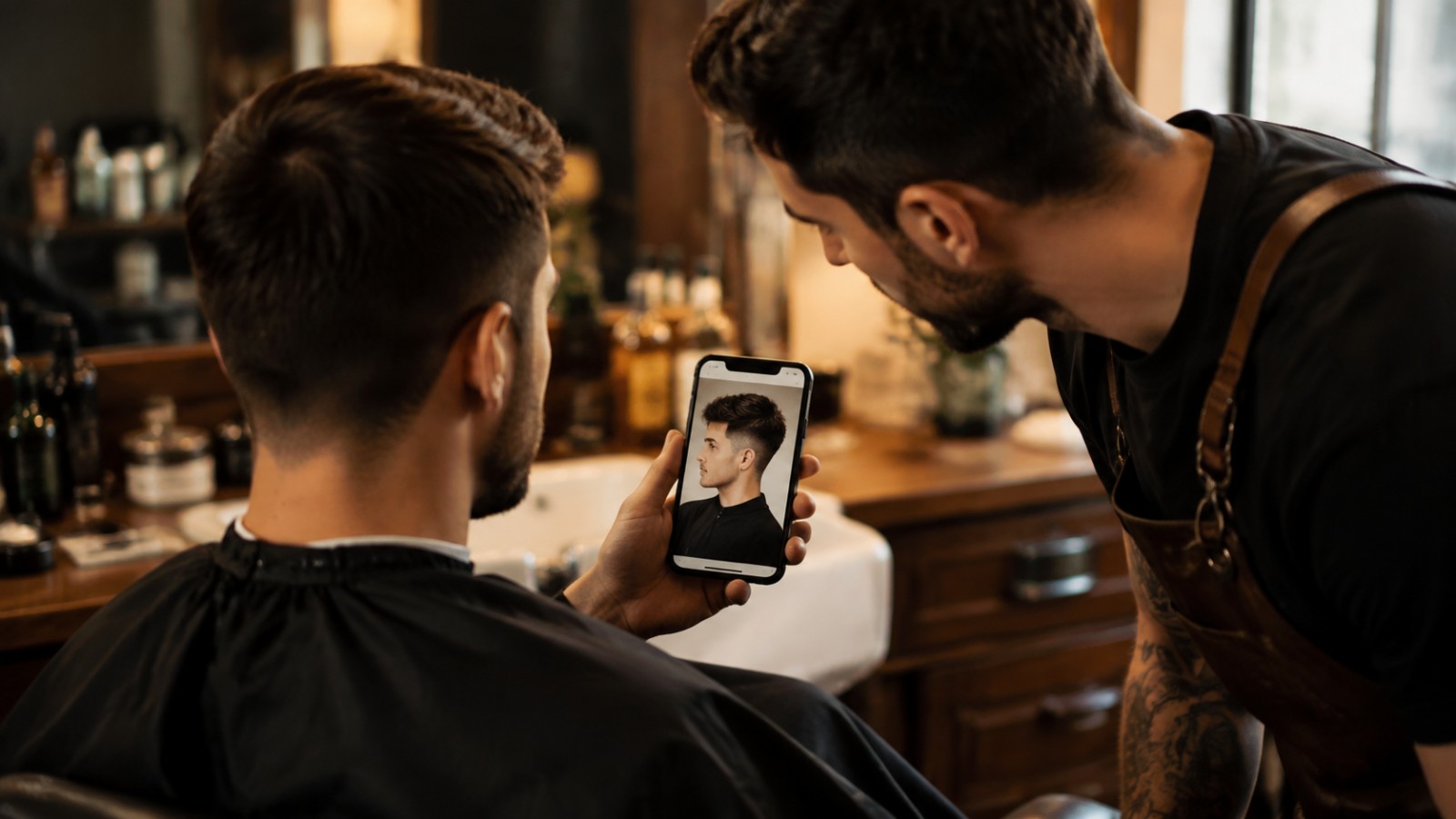
Bringing reference photos is highly encouraged, but it must be done correctly. The most common mistake is bringing a picture of a hair model who shares zero physical traits with you. If you have pin-straight, fine hair, showing your barber a photo of someone with thick, wavy hair will only lead to disappointment. Spend time finding reference images of men who share your specific hair type, density, and even face shape. When you show the photo, be prepared to point out exactly what you like about it. Do you like how the sides blend? Do you like the length of the bangs? Be specific, as this immediately removes the guesswork.
Speaking the Barber's Language: Essential Terminology
Barbering has its own distinct lexicon, and learning a few key phrases will elevate your communication from amateur to expert. You do not need to attend cosmetology school, but understanding the mechanics of a haircut ensures you get exactly what you are paying for.
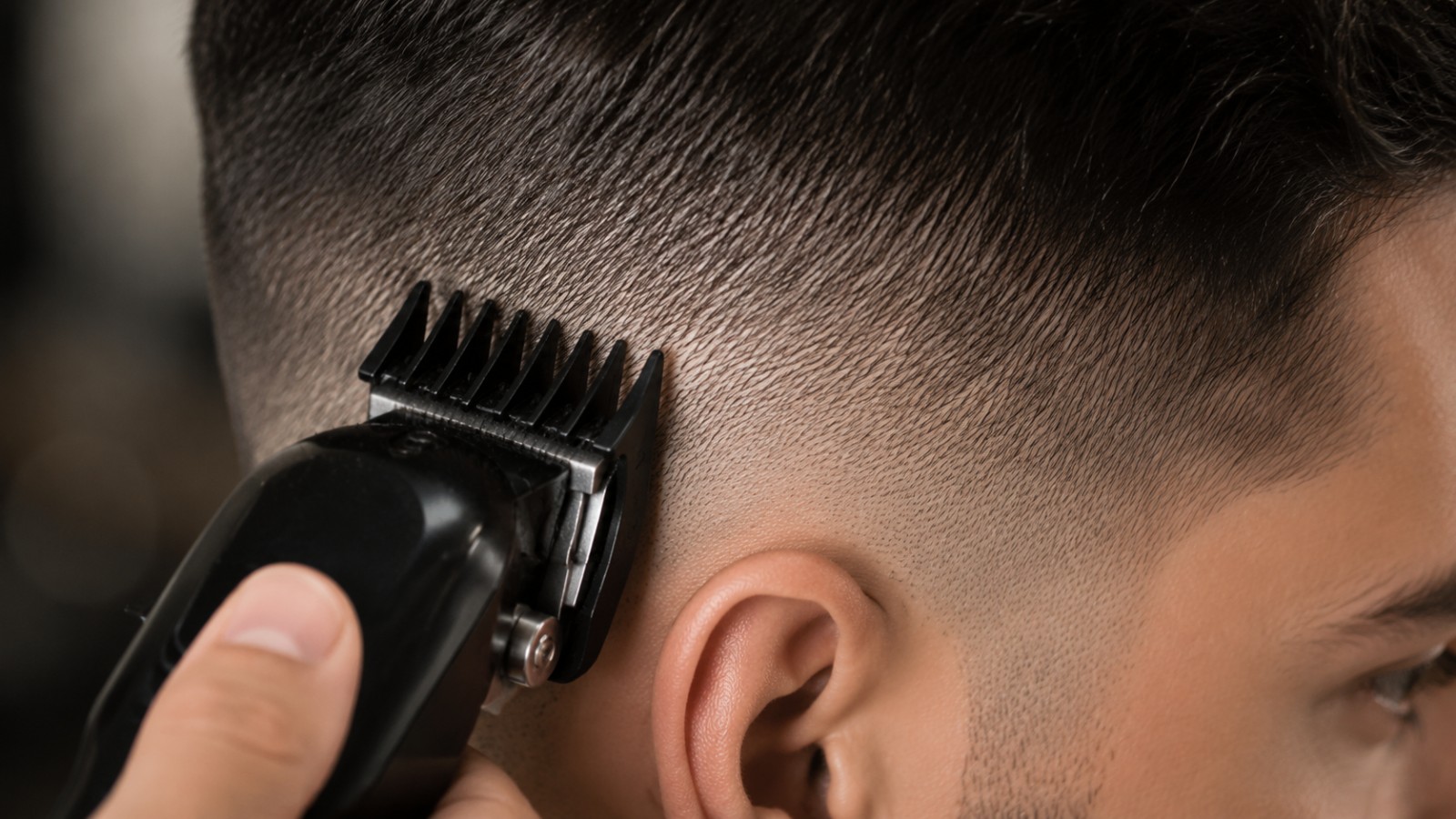
Let's start with the Fade. A fade is not a one-size-fits-all request; it is a gradient of length that needs specific parameters. You must specify how high you want the fade to go and how short you want it to start. A skin fade means the hair is shaved down to the bare scalp at the bottom before blending upward. You can request a low, mid, or high fade depending on your head shape, and if you have strong angular features it is worth reading up on the best fade haircuts for square face shapes first. If you want to keep some length at the bottom, you might ask for a shadow fade, which typically starts around a #1 guard.
It is also crucial to know the difference between a fade and a taper. While a fade blends the hair all the way around the sides and back, a taper only blends the hair at the sideburns and the nape of the neck, leaving more bulk behind the ear. This is a vital distinction if you prefer a more conservative or classic silhouette.
When discussing the top of the hair, terminology dictates the final texture. If you are aiming for a classic Pompadour, the communication must shift toward maintaining weight at the parietal ridge (the widest part of your head) so the hair can sweep back smoothly. Conversely, for those leaning toward a modern, textured French Crop, you should ask the barber to use point cutting or a razor technique. Point cutting involves snipping vertically into the hair rather than cutting straight across, which removes bulk and adds that messy, piecey texture that defines the crop.
Even a seemingly simple Buzz Cut requires precise instructions. Do not just ask for a buzz; specify the clipper guard numbers. A #1 guard leaves 1/8 of an inch of hair, a #2 leaves 1/4 of an inch, and so on. Asking for a #3 on top with a #1 on the sides gives a classic crew cut variation, providing a much sharper look than a single length all over.
The Consultation: Setting Expectations Early
The most critical five minutes of the entire barbershop experience happen before the clippers are even plugged in. A professional barber will always conduct a brief consultation, and this is your moment to lay all your cards on the table. Do not rush this process.
Start by explaining your daily routine. If you are the type of guy who hits the snooze button three times and spends exactly thirty seconds on your hair, you must communicate that. Asking for a high-maintenance style that requires a blow dryer, a round brush, and two different styling products will only cause daily frustration. Be honest about your willingness to style your hair. A great barber will tailor the cut to your lifestyle, perhaps suggesting a style that naturally falls into place with just a quick application of matte clay or sea salt spray.
You should also discuss how frequently you plan to return to the shop. Some haircuts, like a high skin fade, look immaculate for about a week before the sharp lines start to blur. If you only visit the barber every six weeks, you might want to opt for a softer taper that grows out more naturally. Setting these expectations early prevents the dreaded awkward growth phase.
During the Cut: Navigating Feedback and Adjustments
There is a common misconception that once the haircut begins, you must sit in absolute, paralyzed silence. While you certainly should not be moving your head around or micromanaging every snip of the scissors, it is perfectly acceptable to offer gentle feedback as the cut progresses.
Keep an eye on the mirror. If you notice the sides are being taken higher than you anticipated, speak up immediately. A simple, polite interjection like, "Could we keep the fade a bit lower right there?" is always welcomed by a true professional. It is infinitely easier for a barber to adjust their game plan mid-cut than to try and fix a completed style that went too short.
However, this requires a delicate balance of trust. You are sitting in the chair of a trained professional who understands head shape, cowlicks, and growth patterns better than you do. If they suggest that a certain length will make your hair stick up awkwardly due to a stubborn crown, trust their expertise. The goal is collaborative communication, not dictating an impossible task.
The Finishing Touches: Styling, Products, and Maintenance
A phenomenal haircut does not end when the cutting stops; the styling phase is where the magic truly happens. Pay close attention to exactly what the barber is doing during the final five minutes. This is a free masterclass in how to make your hair look its absolute best.
Ask specific questions about the products being used. Are they applying a water-based pomade for a slick, high-shine finish, or are they working in a texture paste for a dry, natural look? If you are unsure which category suits you, a quick comparison of pomade, wax and clay will make the answer obvious. Notice the amount of product they scoop out—usually, it is much less than you think, often just a dime-sized amount warmed up thoroughly in the palms.
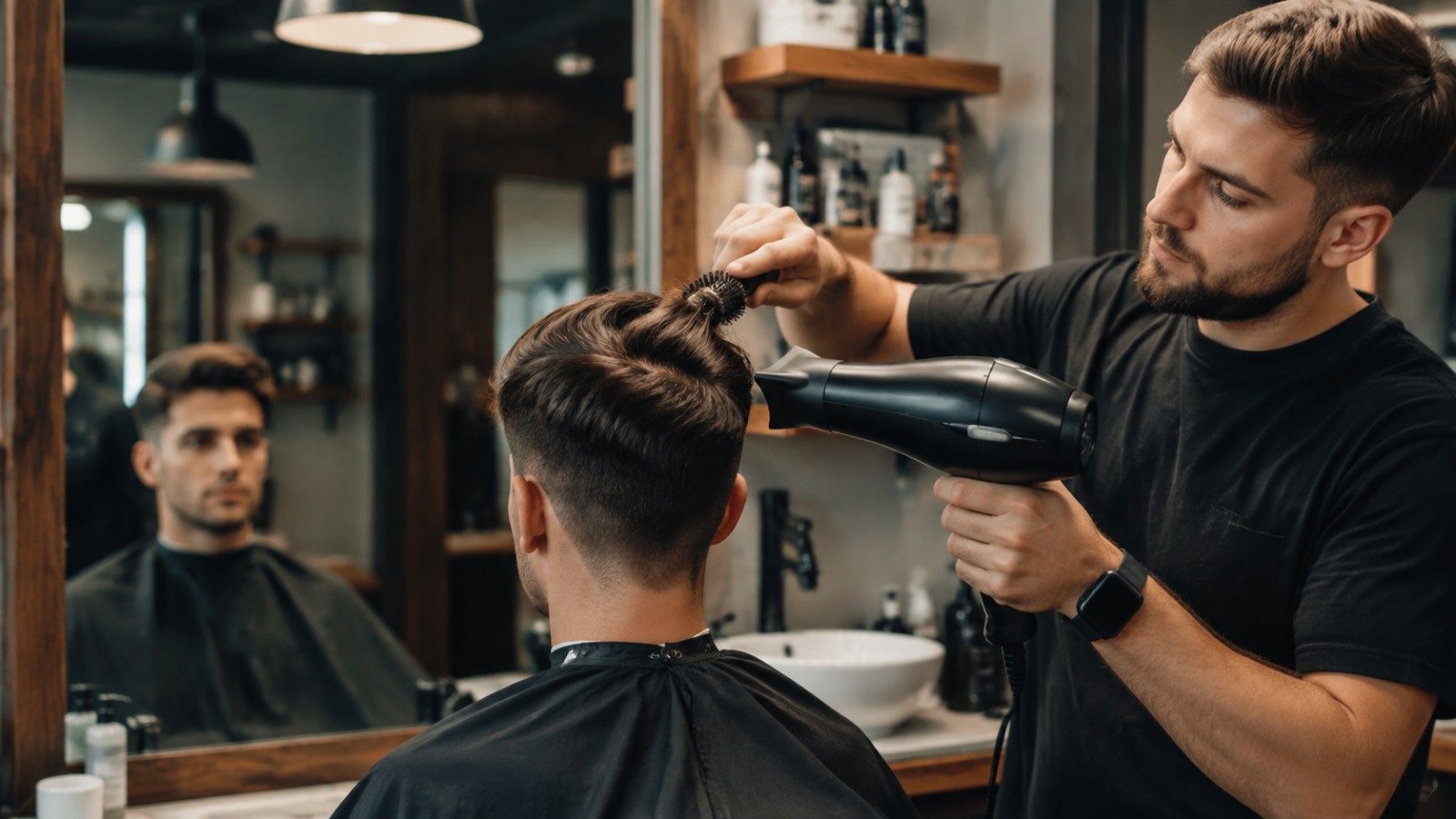
If they pull out a blow dryer, ask them why they are using a specific heat setting or brush technique. Blow drying is often the secret ingredient to achieving volume and direction, especially for styles that require lift at the roots. By absorbing this information, you empower yourself to recreate the barbershop look every single morning from the comfort of your own home.
The Ultimate Barbershop Communication Checklist
To ensure you never walk out of the shop with a subpar cut again, keep this streamlined checklist in mind before your next appointment. These actionable steps will keep you and your barber perfectly aligned.
- Analyze your hair type: Determine if your hair is fine, thick, straight, or curly before choosing a target style.
- Curate realistic photos: Save 2-3 pictures of men with similar hair density and face shapes to show your barber.
- Know your guard numbers: Memorize the clipper lengths you prefer on the sides and back (e.g., a #1 or #2 guard).
- Define the neckline: Specify whether you want your neck tapered (faded out naturally) or blocked (cut in a sharp, straight line).
- Discuss your morning routine: Be completely honest about how much time and effort you are willing to spend on daily styling.
- Ask for a styling tutorial: Request a step-by-step explanation of the products and techniques used at the end of the cut.
Building a Long-Term Barber Relationship
Ultimately, the goal is to stop rolling the dice every time you need a trim. Finding a barber who understands your hair, respects your preferences, and communicates clearly is like striking gold, so it is worth investing some effort in finding the best barber in your city. Once you find that professional, stick with them.
Loyalty to a single barber means they will learn the unique quirks of your hair over time. They will remember how your cowlick behaves, exactly where your fade should start, and which products suit your scalp best. By using the communication strategies outlined above, you transform a potentially stressful chore into a relaxing, rewarding ritual. You walk in with confidence, speak the language with authority, and walk out looking exactly the way you envisioned.