Pomade vs. Wax vs. Clay: Which Men's Hair Product is Best?
Struggling to choose between pomade, wax, and clay? Discover the ultimate guide to men's hair products, including styling tips, hold levels, and the best choice for your hair type.
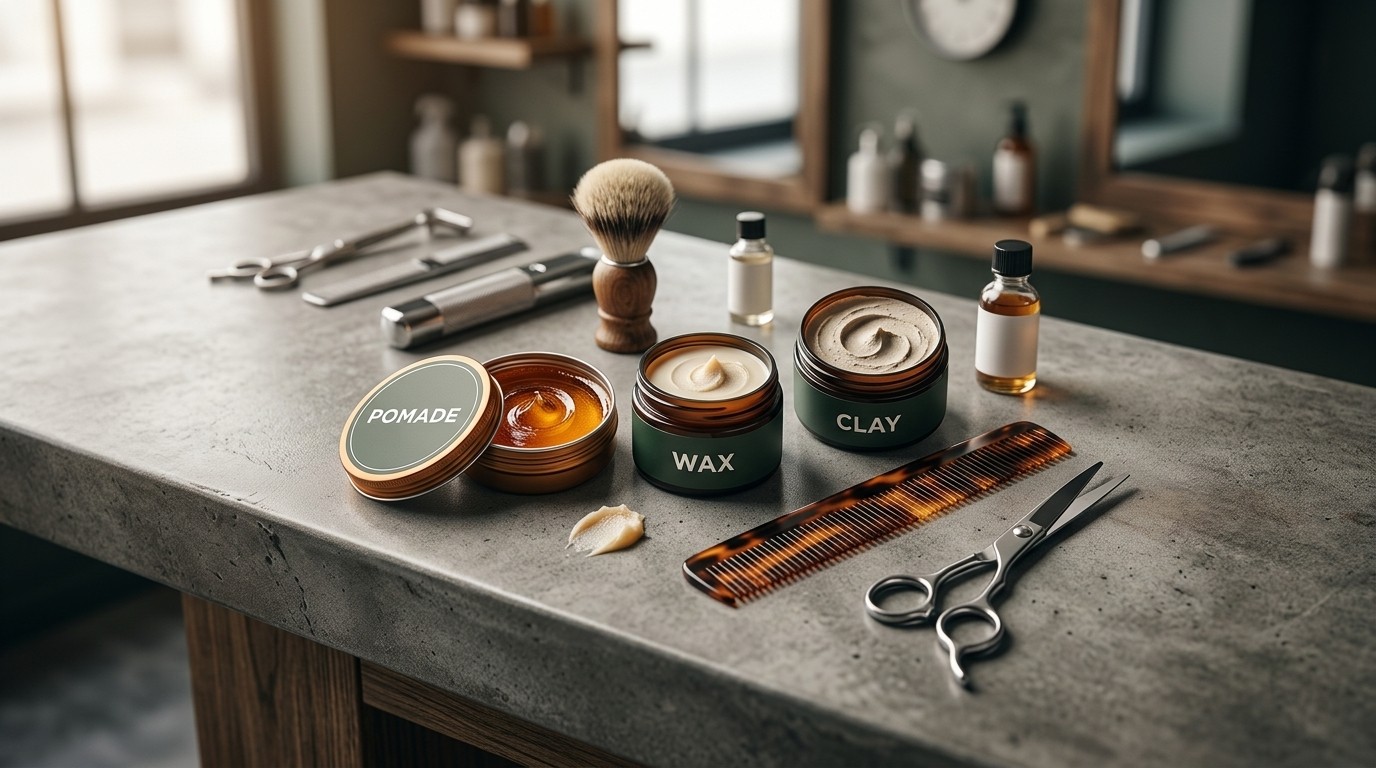
Navigating the men's grooming aisle has become a surprisingly complex task. Tins, jars, and tubes line the shelves, all promising the perfect hold and an impeccable finish. But when you are staring down a wall of styling products, the terminology can quickly become overwhelming. The endless debate of pomade versus wax versus clay leaves many men settling for whatever product happens to be on sale, often resulting in a hairstyle that falls flat by noon or looks greasier than intended.
Let's clear up the confusion right out of the gate. Achieving a barbershop-quality look at home isn't about having a magic touch; it is entirely about understanding the chemistry and purpose of the product you are putting in your hair. Different styles demand different tools. A vintage slicked back look requires an entirely different structural foundation than a messy, textured modern crop. By breaking down the specific characteristics, ingredients, and ideal use cases for pomades, waxes, and clays, you can finally take the guesswork out of your morning routine.
The Core Mechanics: Understanding Hold and Shine
Before diving into specific product categories, it is crucial to understand the two primary metrics that dictate how a hair product performs: hold and shine. Grasping these concepts will immediately make you a more informed consumer.
Hold refers to the product's gripping power and how well it keeps your hair locked in place throughout the day. Products range from light hold, which allows the hair to move naturally and be restyled with your fingers, to heavy or strong hold, which essentially cements the hair into a specific shape. Shine, on the other hand, describes how much light reflects off your hair after the product is applied. High-shine products give off a wet, glossy, and polished appearance. Low-shine or matte finish products absorb light, making it look as though you have nothing in your hair at all, while still maintaining the desired shape.
Your hair's natural characteristics also play a massive role in how these metrics behave. Thick, unruly hair naturally requires a product with a stronger hold to prevent the style from collapsing. Thin or fine hair needs lighter, volumizing products to avoid being weighed down and exposing the scalp. Let's explore how the big three products fit into this matrix.
Pomade: The Classic Choice for Slick, Refined Styles
When you picture the iconic hairstyles of the 1920s through the 1950s—the towering Pompadour, the razor-sharp Classic Side Part, or the slicked-back greaser look—you are picturing the work of pomade. Pomade is the grandfather of modern men's hairstyling products, historically known for offering high shine and a pliable, comb-able hold.
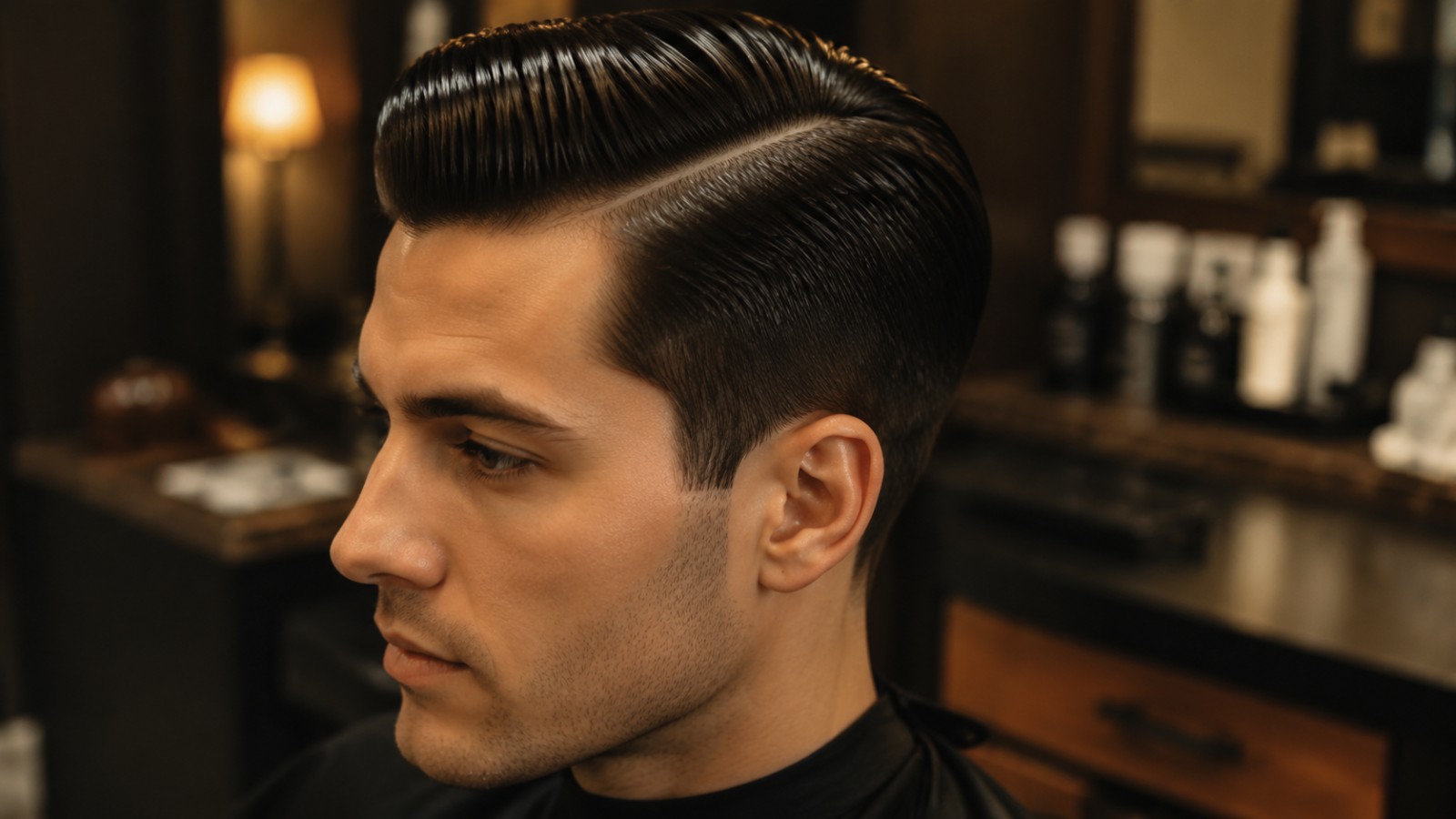
Unlike gels, which dry hard and flake, traditional pomades never fully dry down. This means you can carry a pocket comb and readjust your style throughout the day. However, the world of pomade is divided into two very distinct camps: oil-based and water-based.
Oil-Based vs. Water-Based Pomades
Oil-based pomades are the traditional formulas. They rely on ingredients like petroleum, grease, and beeswax to create an incredibly strong, slick hold that repels water. If you are caught in a rainstorm, an oil-based pomade will not budge. The major drawback? They are notoriously difficult to wash out. It often requires multiple rounds of deep-cleansing shampoo or even dish soap to fully strip the grease from the hair shaft. Because they build up over days, barbers often recommend them for men committed to a highly structured, classic aesthetic who don't mind the maintenance.
Water-based pomades, or water-soluble pomades, were invented to solve the washing dilemma. They offer the same high-shine, slick appearance as their oil-based cousins but wash out completely with a simple splash of water. The trade-off is that water-based formulas tend to dry a bit stiffer, losing some of that infinite restylability. If you need to fix a water-based style later in the day, you will usually need a wet comb to reactivate the product.
Pomade is your absolute best bet if you are styling a clean Fade with a slick top, a neat executive contour, or any style that requires a comb rather than your fingers. Pair it with the technique in our guide to blow-drying a flawless slick back and the shape will hold far longer. It works brilliantly on straight to wavy hair but can sometimes struggle against tightly coiled or extremely curly hair unless you opt for a heavy-hold formulation.
Hair Wax: The Versatile Workhorse for Everyday Texture
If pomade is the formal dress shoe of the hair world, hair wax is the reliable everyday sneaker. Wax offers an incredible middle ground, typically providing a medium hold with a medium-to-low shine. It is arguably the most versatile product on the market, making it an excellent starting point for guys who are experimenting with their hair.
The defining characteristic of hair wax is its pliability. Formulated with natural ingredients like beeswax, carnauba wax, or lanolin, wax coats the hair without making it stiff. It allows for a thicker, more textured appearance. When you run your hands through your hair hours after application, the hair will still feel soft and movable, yet it will retain its overall structure.

Wax is exceptionally good for styles that require a touch of organized chaos. Think of a spiky Buzz Cut that has grown out a few weeks, a relaxed Quiff, or a bedhead look that actually took ten minutes to perfect. If the quiff is your target shape, our step-by-step textured quiff tutorial shows exactly where the wax should go. Because it doesn't clump the hair together like a high-shine pomade, wax allows individual strands to stand out, creating dimension and texture.
One of the hidden benefits of wax is its ability to tame frizz and flyaways. If you have thick, coarse, or slightly wavy hair that tends to puff out in humid weather, a dime-sized amount of wax can smooth the cuticle and bring the volume down to a manageable level. However, because waxes contain heavy oils and natural waxes, they can sometimes be tricky to wash out, though generally not as stubborn as petroleum-based pomades.
Hair Clay: The Modern Miracle for Volume and Matte Finishes
Over the last decade, hair clay has absolutely dominated the men's grooming scene, and for good reason. As trends shifted away from the shiny, slicked-back looks of the past toward natural, highly textured, and voluminous styles, clay emerged as the ultimate tool for the modern man. Clays typically offer a high hold with an ultra-low, matte finish.
The Science of Styling Clays
What makes clay completely unique is right in the name. These products are formulated with actual cosmetic-grade clays, most commonly Bentonite clay or Kaolin clay. These natural earth ingredients possess an incredible property: they expand when they come into contact with moisture. When you work a clay product into your hair, the clay particles bind to the individual hair shafts, physically thickening them. This creates unparalleled volume and makes the hair look significantly fuller.
Furthermore, bentonite and kaolin draw out dirt and excess oils from the scalp and hair. This oil-absorbing property is what gives clay its signature dry, matte finish. If you want a hairstyle that looks completely natural—as if you just woke up with perfectly styled, gravity-defying hair—clay is the answer.
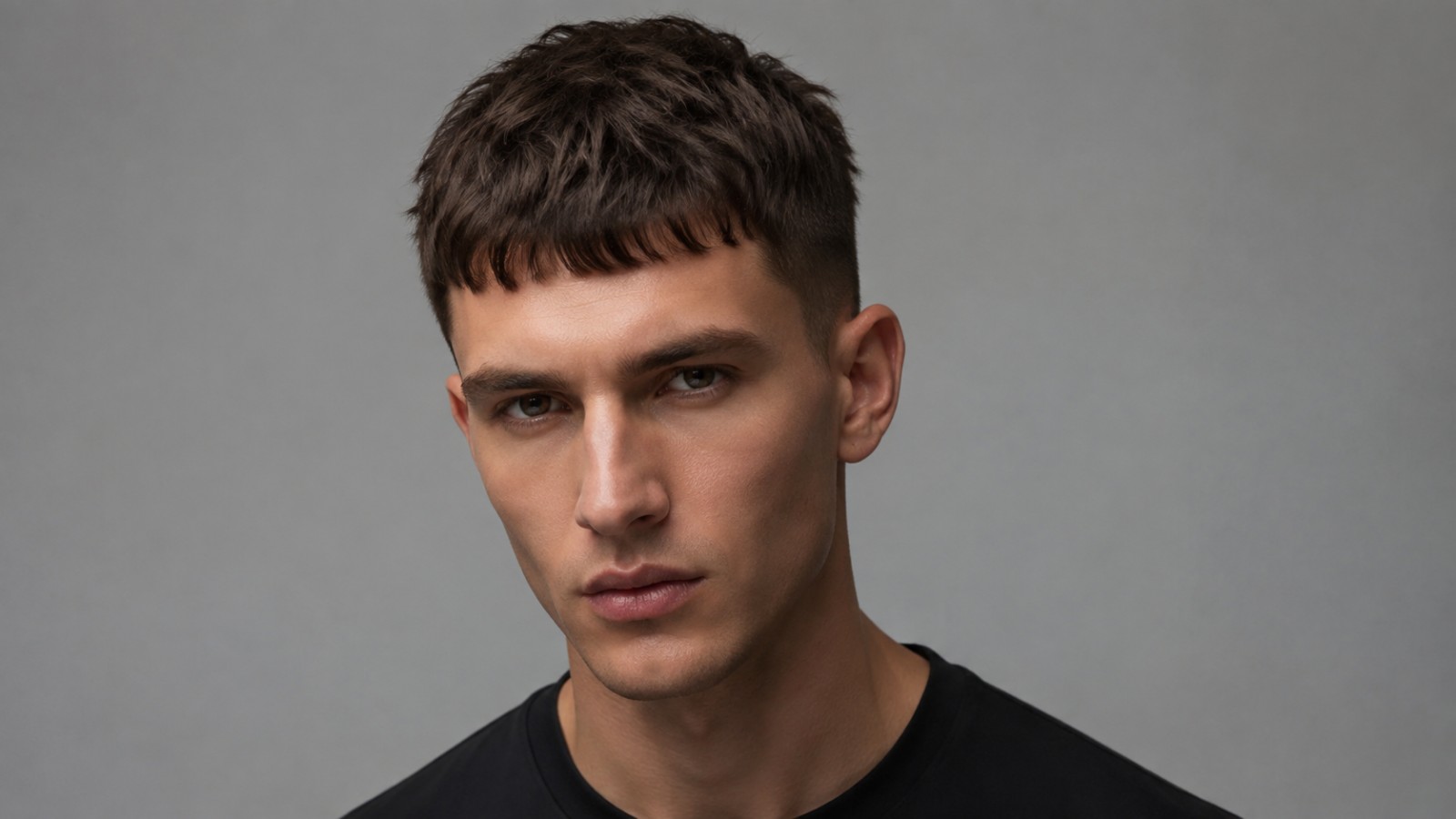
Clay is the absolute mandatory product for a modern French Crop, a messy Textured Fringe, or a high-volume faux hawk. It forces the hair to separate into thick, textured pieces rather than clumping together. It is particularly beneficial for men with fine or thinning hair, as the plumping effect of the clay combined with the lack of shine prevents the scalp from being visible. Heavy, shiny products cause fine hair to group together, exposing the skin underneath; clay does the exact opposite.
The Master Guide: Matching Product to Hair Type
Understanding the products is only half the battle; the real secret to barbershop styling is pairing the right compound with your specific genetic hair traits. Using the wrong product for your hair type will result in frustration, regardless of the brand's quality. Let's break down the optimal pairings based on hair texture and density.
- Thick, Coarse Hair: Your hair naturally wants to do its own thing. You need a product with serious weight and grip. Strong-hold water-based pomades or heavy waxes are your best friends. They provide the necessary tension to force coarse hair into submission. Avoid light creams or low-hold clays, as your hair will simply overpower them within an hour.
- Fine or Thinning Hair: The goal here is volume and the illusion of density. Hair Clay is the undisputed champion for this hair type. The matte finish prevents the hair from clumping, while the clay minerals physically thicken the strands. Completely avoid high-shine pomades or heavy waxes, which will weigh fine hair down and expose the scalp — and make sure the cut itself is working for you by checking our styling guide for thinning hair.
- Straight Hair: Straight hair often lacks natural texture and can look lifeless. To add dimension, lean toward a medium-hold wax or a styling clay. These will help create separation and movement. If you prefer a neat, professional look, a classic side part with a medium-hold pomade works beautifully on straight follicles.
- Wavy or Curly Hair: Embrace the natural movement. Wavy hair thrives with pliable products like hair wax or light-hold pomades that offer a bit of moisture. A high-hold clay can sometimes create too much friction, leading to frizz and tangles in curly hair. A flexible wax will define your curls while keeping them hydrated and tamed, especially when it sits on top of a solid daily curly hair care routine.
Barber-Approved Application Techniques
Even the most expensive, premium styling clay will fail if applied incorrectly. The biggest mistake men make is scooping out a massive glob of product, slapping it onto the front of their hair, and hoping for the best. This results in heavy, greasy bangs and zero hold at the crown.
Let's walk through the professional application method. First, always start with a small amount—roughly the size of a dime. You can always add more, but you cannot take it away without jumping back in the shower. Place the product in the center of your palm.
The next step is non-negotiable: emulsification. Rub your hands together vigorously. The friction generates heat, which melts the waxes and clays, turning a solid paste into a smooth, even coating across your hands and fingers. If you are using a heavy clay or an oil-based pomade, you may need to rub your hands together for a solid ten to fifteen seconds until the product is completely transparent and warm.
When applying the product to your hair, never start at the front. Begin at the crown (the back of your head) and vigorously work the product forward, rubbing it all the way down to the roots. The roots are what actually support the hairstyle; if you only coat the tips of your hair, the style will collapse under its own weight. Once the product is evenly distributed from back to front and root to tip, use your fingers or a comb to shape the hair into your desired style.
Finally, consider the dampness of your hair. Applying product to completely dry hair maximizes hold and provides the most matte finish possible. Applying product to towel-dried, slightly damp hair will increase the shine and make the product easier to distribute, but it will slightly dilute the hold. Experiment with both methods to see how your specific product reacts.
The Final Verdict
Choosing between pomade, wax, and clay doesn't have to be a guessing game. It all comes down to the aesthetic you want to project and the natural canvas you are working with. If you want a sharp, classic, high-shine look that commands respect in a boardroom, reach for a high-quality pomade. If you need a versatile, everyday product that offers manageable hold and a natural texture for a casual outing, hair wax is your most reliable tool. And if you are chasing modern, gravity-defying volume with a dry, matte finish—especially if you have fine hair—hair clay is the undeniable heavyweight champion.
Don't be afraid to keep a few different options in your bathroom cabinet. Your hair needs might change depending on the occasion, the length of your current cut, or even the weather. It also helps to explain the finish you are after at the chair, and our advice on talking to your barber about the exact cut you want makes that conversation easier. By mastering these three fundamental styling products, you take total control over your appearance, ensuring you step out the door looking sharp, intentional, and perfectly styled every single time.