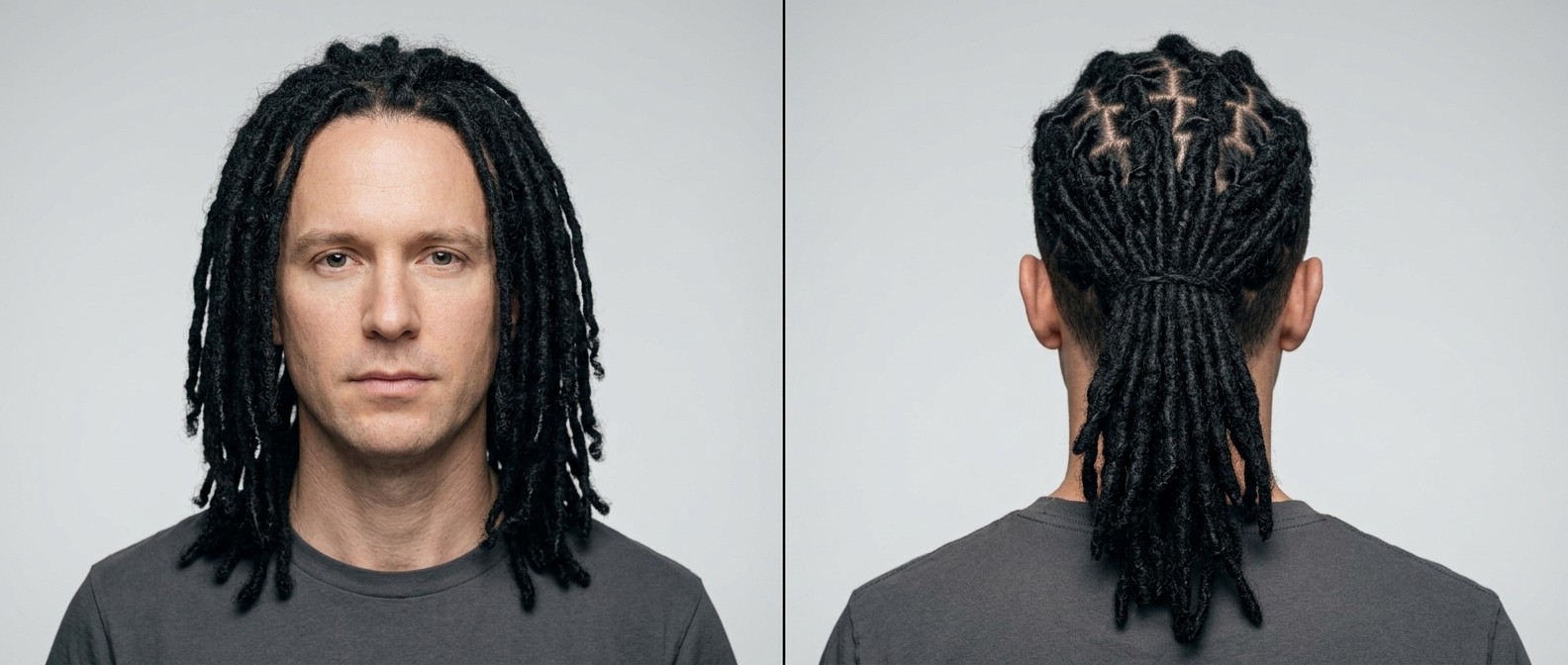
Long Structured Dreadlocks with Geometric Root Parting
 Top
Very Long (20+ cm)
Top
Very Long (20+ cm)
 Sides
Long (5+ cm)
Sides
Long (5+ cm)
 Hair Type
Very Curly / Afro (Type 4)
Hair Type
Very Curly / Afro (Type 4)
 Face Shape
Oval
Face Shape
Oval
 Maintenance
Medium
Maintenance
Medium
 Thickness
Medium / Normal
Thickness
Medium / Normal
About This Style
This striking variation of long, structured dreadlocks showcases meticulous grooming and a highly intentional foundation. What immediately captures the eye is the precise, geometric grid pattern visible directly at the scalp in the back view, demonstrating a professional parting technique that keeps each individual loc distinct, uniform, and healthy. The dreadlocks themselves are fully mature, tightly formed from root to tip, and fall elegantly straight past the collarbone, framing your oval face perfectly when worn down. The contrast between the clean-shaven face, the normal straight hairline, and the rich, complex texture of the black locs creates a highly sophisticated aesthetic.
When you pull the hair back into a low tie-back, it highlights the architectural beauty of the clean sections at the crown while keeping the profound length managed and practical for daily activities. This style is exceptionally suited for the modern creative professional, the active urbanite, or anyone with a casual yet refined lifestyle who wants to make a bold statement. It offers a powerful visual dynamic that balances the rebellious, free-spirited nature of traditional locs with an undeniable, elevated level of clean, intentional maintenance.
When you pull the hair back into a low tie-back, it highlights the architectural beauty of the clean sections at the crown while keeping the profound length managed and practical for daily activities. This style is exceptionally suited for the modern creative professional, the active urbanite, or anyone with a casual yet refined lifestyle who wants to make a bold statement. It offers a powerful visual dynamic that balances the rebellious, free-spirited nature of traditional locs with an undeniable, elevated level of clean, intentional maintenance.
Key Features
- Meticulous geometric grid parting visible at the scalp, creating neat, distinct boxes that ensure clean separation and prevent matting.
- Uniform, medium-thickness locs that maintain consistent density and structural integrity from the root all the way down to the ends.
- Very long top and side lengths extending well past the shoulders (20+ cm), providing a dramatic, gravity-pulled drape that flatters the face.
- Smooth, mature loc texture indicating well-established interlocking or crochet work, minimizing frizz and loose surface hairs.
- Versatile styling options, easily transitioning from face-framing loose locs to a highly organized, neat, low tie-back or ponytail.
- Clean, natural straight hairline that contrasts sharply with the textured locs, keeping the forehead clear and emphasizing facial features.
- Deep black hair color that enhances the visual density and highlights the intricate woven patterns within each individual dreadlock.
Getting the Cut
- Request a comprehensive scalp sectioning consultation first, specifying a precise geometric grid (diamond or square boxes) to ensure perfectly uniform loc size across the entire head.
- Ask for the crochet method or interlocking technique at the roots to maintain tight, clean new growth without relying on excessive waxes or gels that cause buildup.
- Specify that you want medium-thickness locs (roughly the diameter of a standard pencil or permanent marker) to balance the overall weight and maintain optimal volume.
- Request a thorough palm-rolling session down the mid-shafts and ends of the hair to smooth out any structural bumps, loops, or surface frizz in the mature locs.
- Ask your loctician to carefully blunt the ends of the dreadlocks using a micro-crochet hook for a polished, finished look rather than leaving them naturally wispy or tapered.
- Instruct the stylist to keep the natural straight hairline completely clear of the locs, avoiding incorporating delicate edge hairs to prevent unnecessary tension and traction alopecia.
- Discuss establishing a strict maintenance schedule for root retightening every 6 to 8 weeks to keep the geometric grid pattern exceptionally sharp and well-defined.
Daily Routine
- Start your morning routine by lightly misting your dreadlocks with a water and aloe vera-based hydration spray to refresh the scalp, awaken the hair, and restore natural elasticity.
- Massage a dime-sized amount of lightweight, natural scalp oil (such as jojoba, sweet almond, or peppermint) directly into the exposed grid parts to prevent dryness and soothe the skin.
- For a casual, loose everyday look, simply shake your locs out vigorously, using your fingers to gently separate any locs that might be clinging together at the roots.
- To achieve the sophisticated pulled-back style seen in the photo, gather the locs starting from the front and sides, pulling them smoothly and evenly toward the nape of your neck.
- Secure the gathered bundle of locs with a thick, snag-free elastic hair tie, or use one of your own longer dreadlocks to wrap tightly around the bundle, tucking the end securely underneath.
- Smooth down any minor flyaways at the hairline or along the crown using a tiny amount of natural locking gel and a soft-bristle edge brush to maintain a crisp perimeter.
- Finish by gently palm-rolling a few of the most visible face-framing locs to ensure they hang perfectly straight and look freshly groomed for the day ahead.
Products & Tools
- Lightweight, water-based hydration mist (infused with aloe vera or rosewater) for daily moisture without leaving any residue.
- Natural, high-quality scalp oil (jojoba, tea tree, or peppermint blends) to soothe the skin, nourish roots, and promote healthy growth.
- Clarifying, residue-free dreadlock shampoo specifically formulated to cleanse deeply and prevent internal buildup within the loc matrix.
- Snag-free, extra-thick elastic hair bands or specialized dread ties designed for secure, damage-free styling of heavy, long hair.
- Soft-bristle edge brush (boar bristle preferred) for smoothly managing the hairline and taming any delicate baby hairs.
- Micro-crochet hook (0.5mm or 0.75mm size) for occasional at-home maintenance of stray hairs and keeping the loc cylinders tight.
- Large microfiber towel for wash days, which absorbs maximum moisture without depositing lint into the textured hair.
Maintenance
- Schedule professional root retightening appointments strictly every 6 to 8 weeks to maintain the clean geometric grid pattern and prevent the roots from matting together.
- Wash your locs thoroughly every 1 to 2 weeks using only residue-free shampoo, focusing primarily on vigorously massaging and cleansing the scalp rather than scrubbing the loc lengths.
- Always ensure your locs are absolutely 100% bone-dry after washing before going to sleep or tying them up; use a hooded dryer or blow dryer on low heat to prevent internal mildew.
- Sleep with your hair completely wrapped in a large silk or satin bonnet, or use a high-quality satin pillowcase to minimize nighttime friction, retain moisture, and prevent lint accumulation.
- Strictly avoid using heavy beeswax, thick styling creams, or conventional conditioners, as these will inevitably trap dirt, attract lint, and create stubborn, un-washable buildup over time.
Best For
Face Shapes: Oval, oblong, and square faces, as the exceptionally long, vertical lines of the locs draw the eye downward and complement these facial proportions beautifully.
Hair Types: Very curly, coily, or Afro-textured hair (Type 4) that naturally locks and holds cylindrical shapes well, though highly adaptable for other textures with professional interlocking.
Lifestyles: Modern creative professionals, artists, musicians, or anyone operating in a casual yet style-conscious environment that appreciates meticulously groomed, expressive looks.
Age Ranges: Men in their 30s and 40s seeking a highly mature, sophisticated, and intentional take on long dreadlocks that speaks to years of dedication.
Hair Thickness: Medium to normal hair density, which allows for the creation of perfectly sized, pencil-thick locs without causing excessive tension on the scalp.
Pro Tips
- Lint is the absolute worst enemy of dark dreadlocks; always check your clothing (especially wool sweaters or fleece) and wear a protective silk wrap when doing dusty manual work or cleaning.
- If your scalp feels uncomfortably tight or itchy immediately after a professional retwist, apply a soothing, refrigerated chamomile or aloe vera spray to rapidly reduce tension and inflammation.
- To keep the geometric parts looking incredibly fresh for longer periods, wear a durag or tight silk wrap during high-intensity workouts to minimize the disruptive effects of sweat on the roots.
- Make it a daily habit to run your fingers through the roots of your locs to gently separate them, preventing the new growth from marrying or joining together between professional visits.
- Incorporate a deep cleansing apple cider vinegar and baking soda soak every 4 to 6 months to strip away any hidden environmental impurities and restore the locs' natural lightness.
Related Hairstyles
Dreadlocks
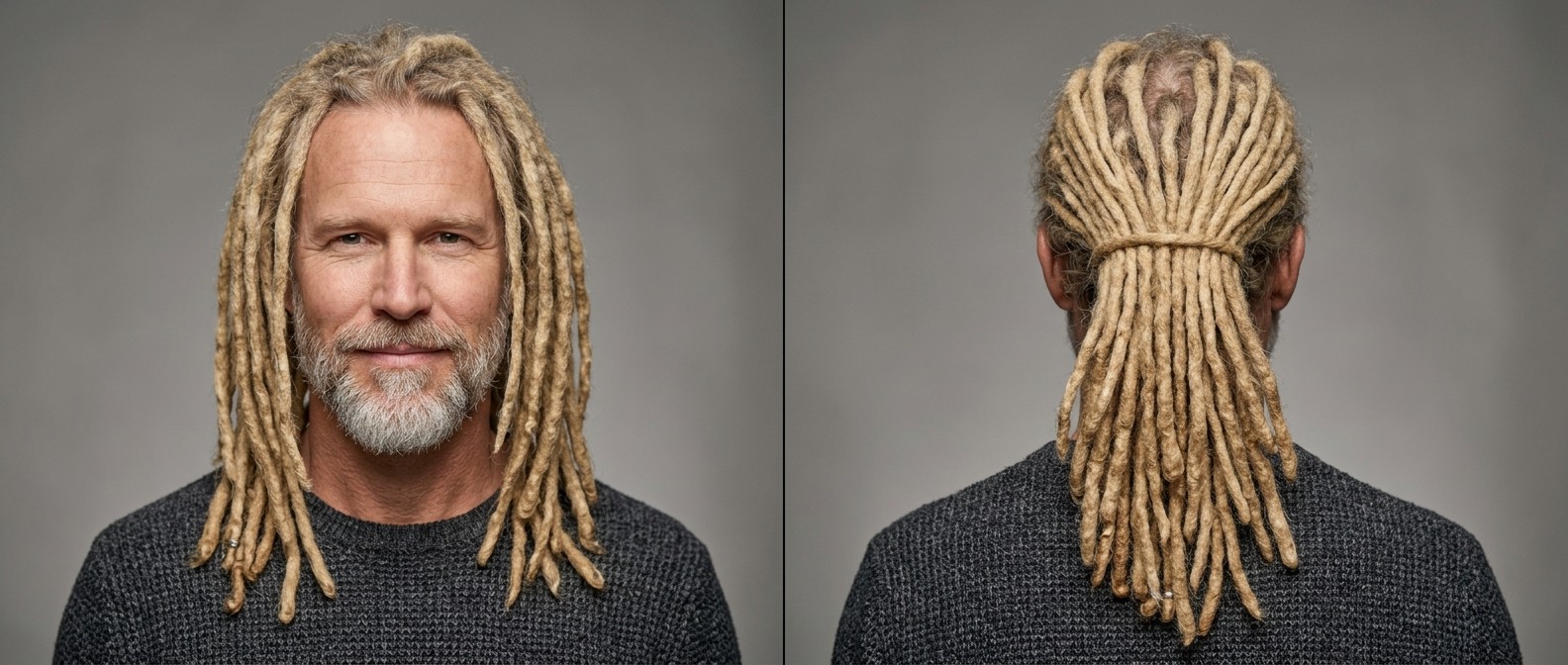
Long Blonde Mature Dreadlocks with Natural Half-Tie and Groomed Beard
Dreadlocks
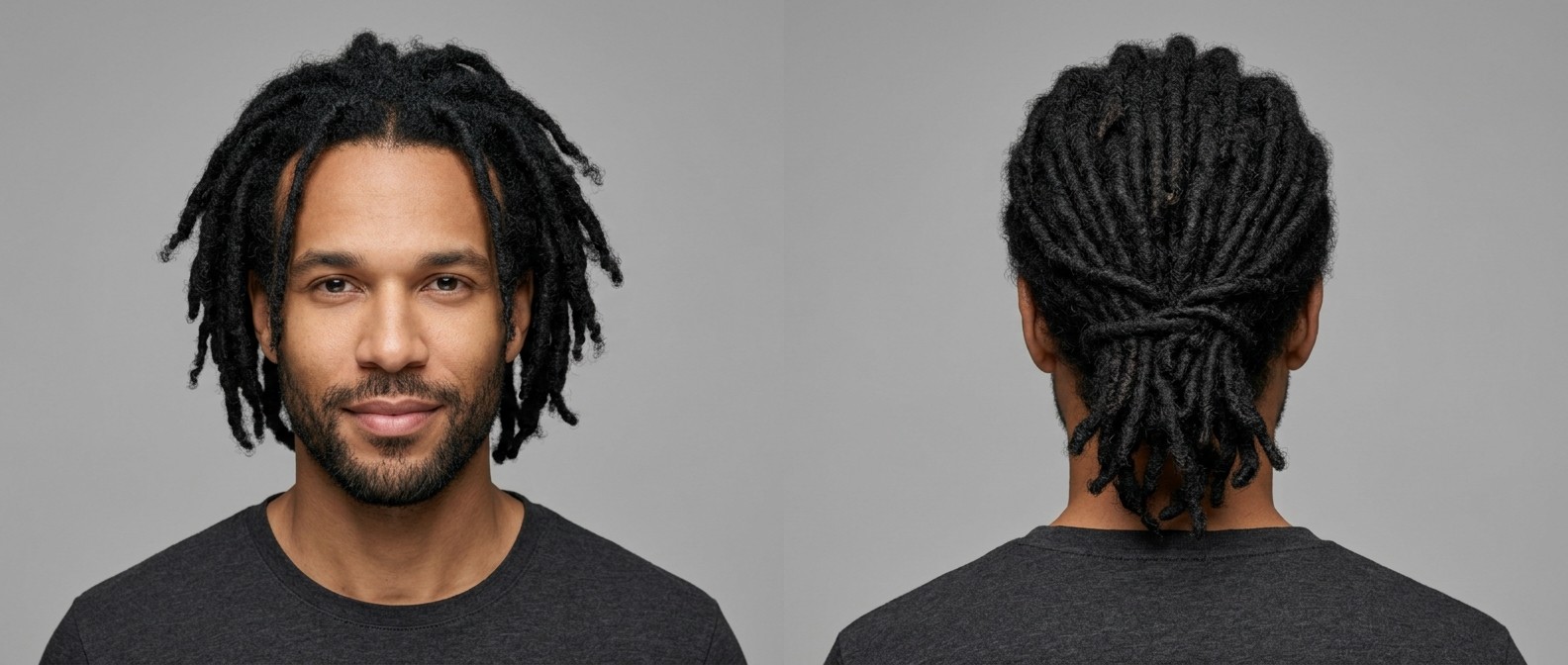
Medium-Length Cylindrical Dreadlocks with Natural Tied-Back Knot
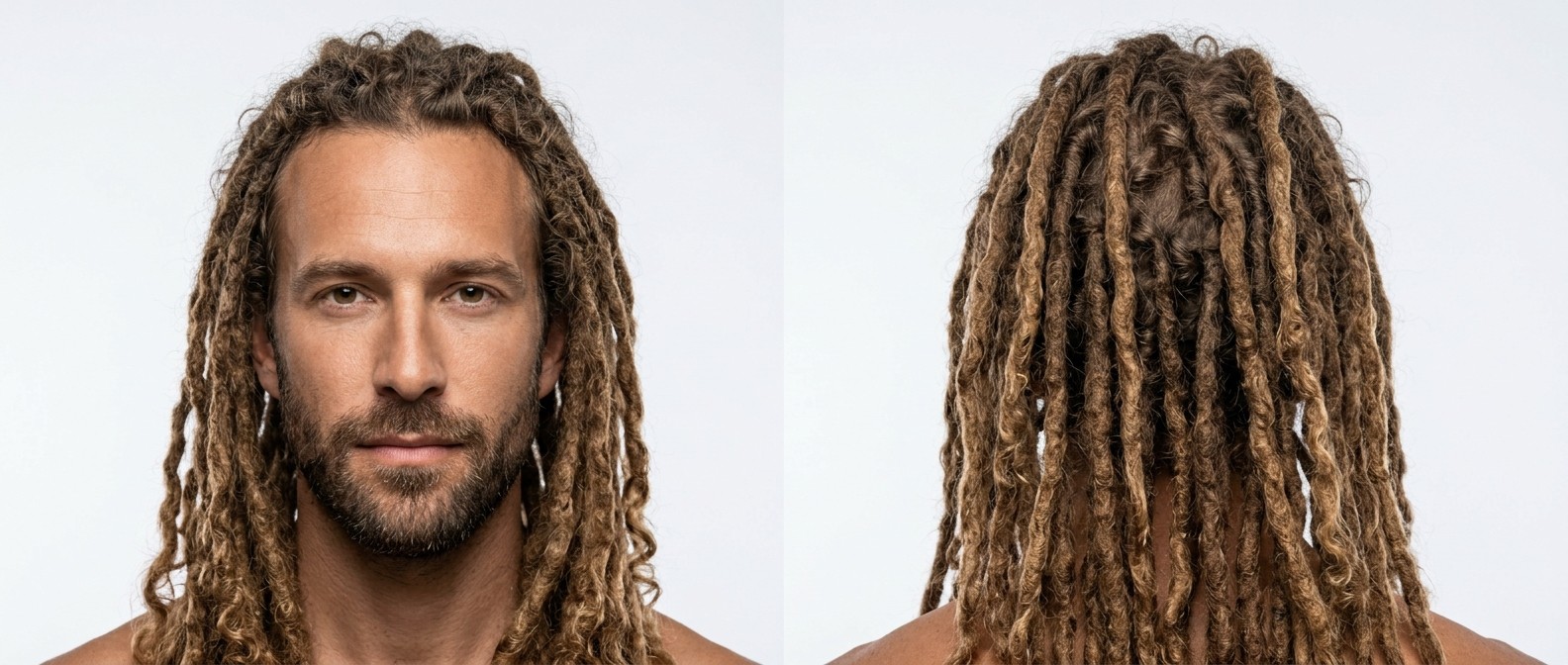
Dreadlocks
Long Natural Light Brown Dreadlocks with Curly Ends and Short Beard
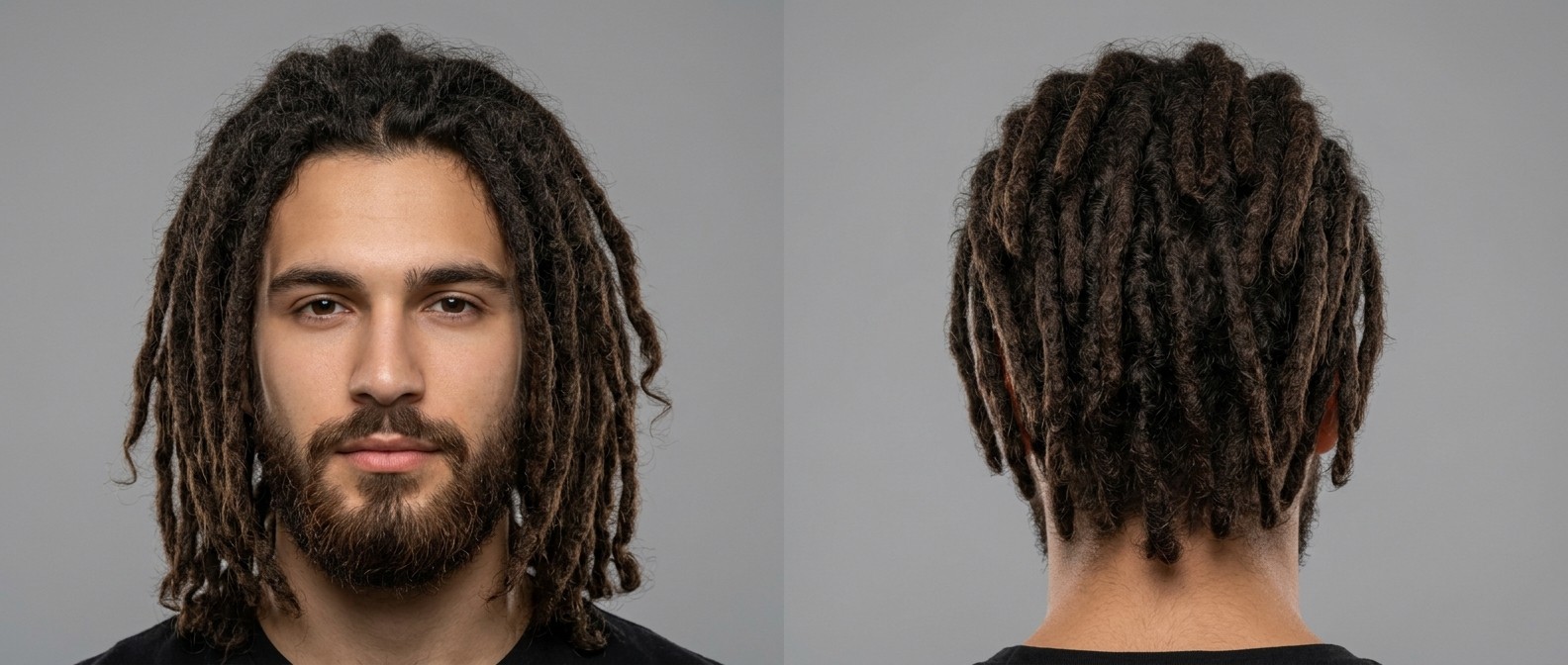
Dreadlocks
Long Natural Freeform Dreadlocks with Full Beard for Thick Hair
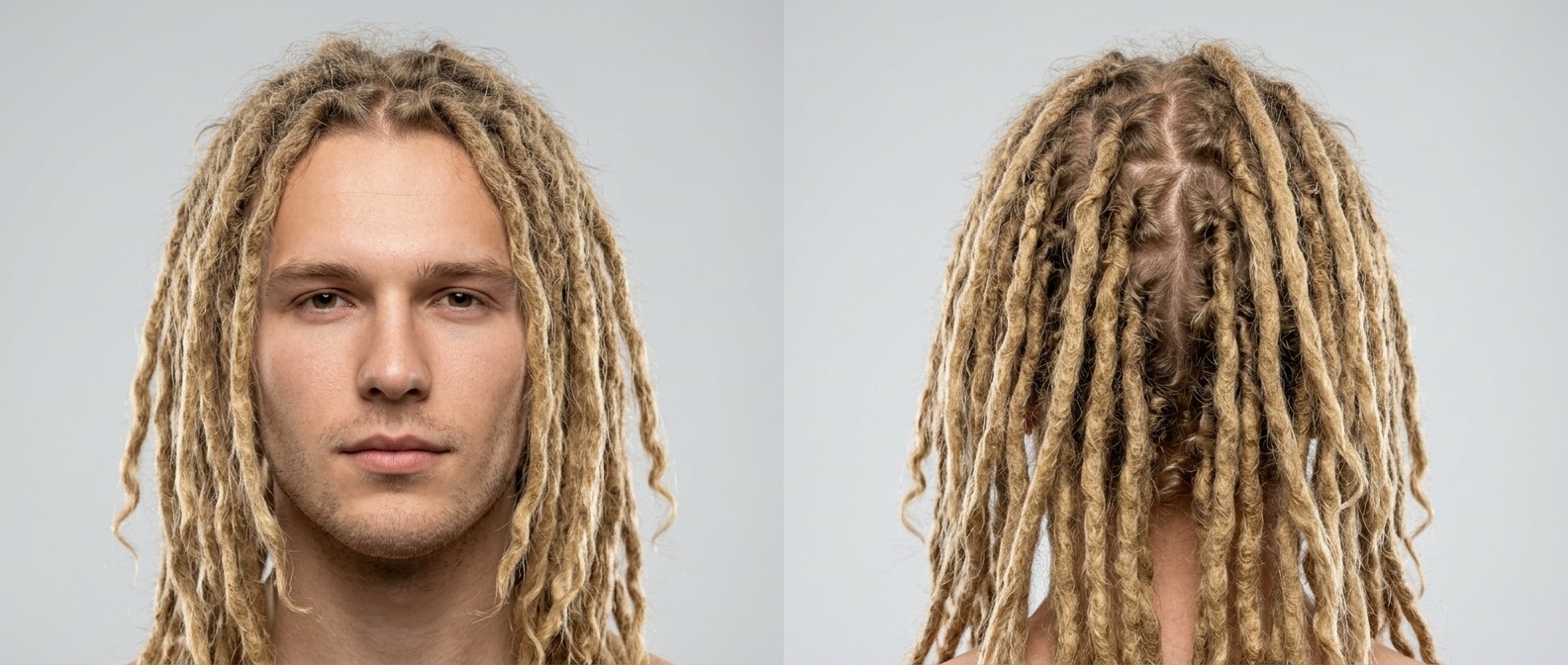
Dreadlocks
Long Blonde Caucasian Dreadlocks with Middle Part and Wispy Ends
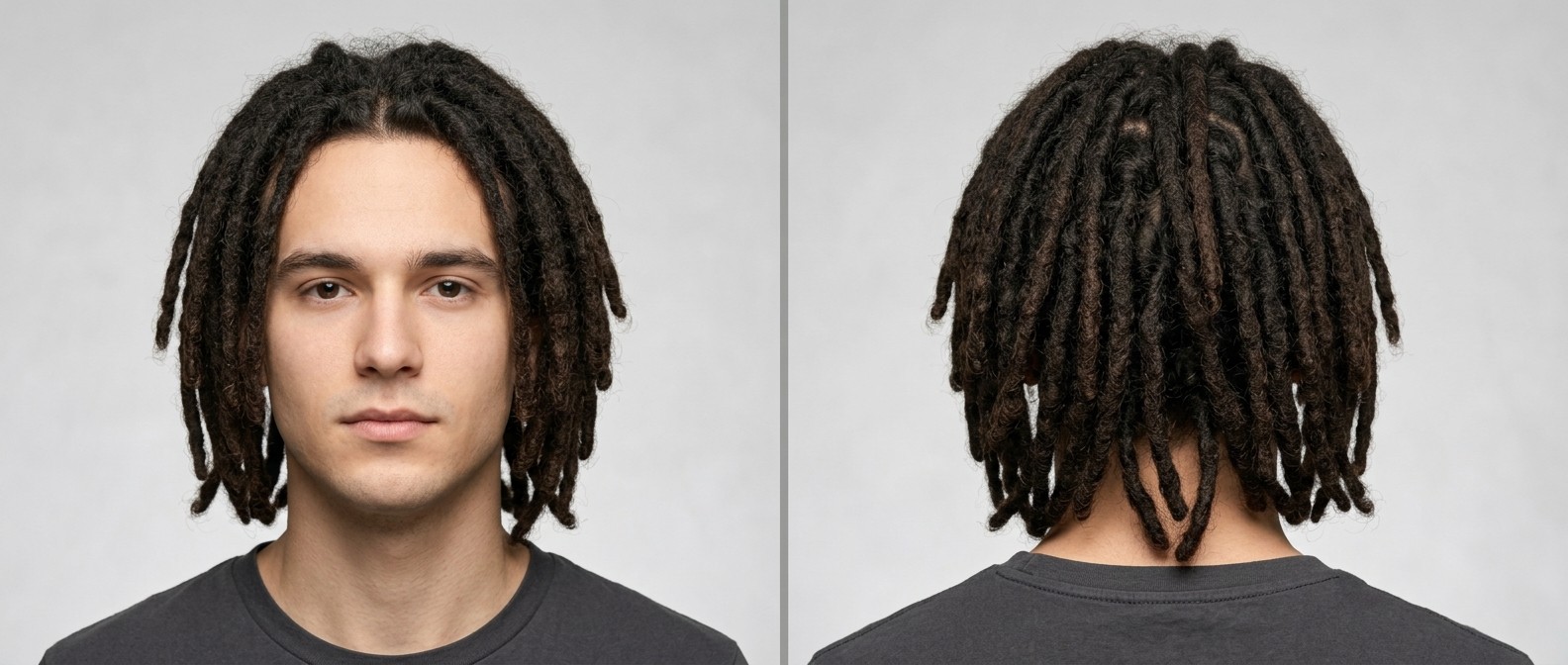
Dreadlocks