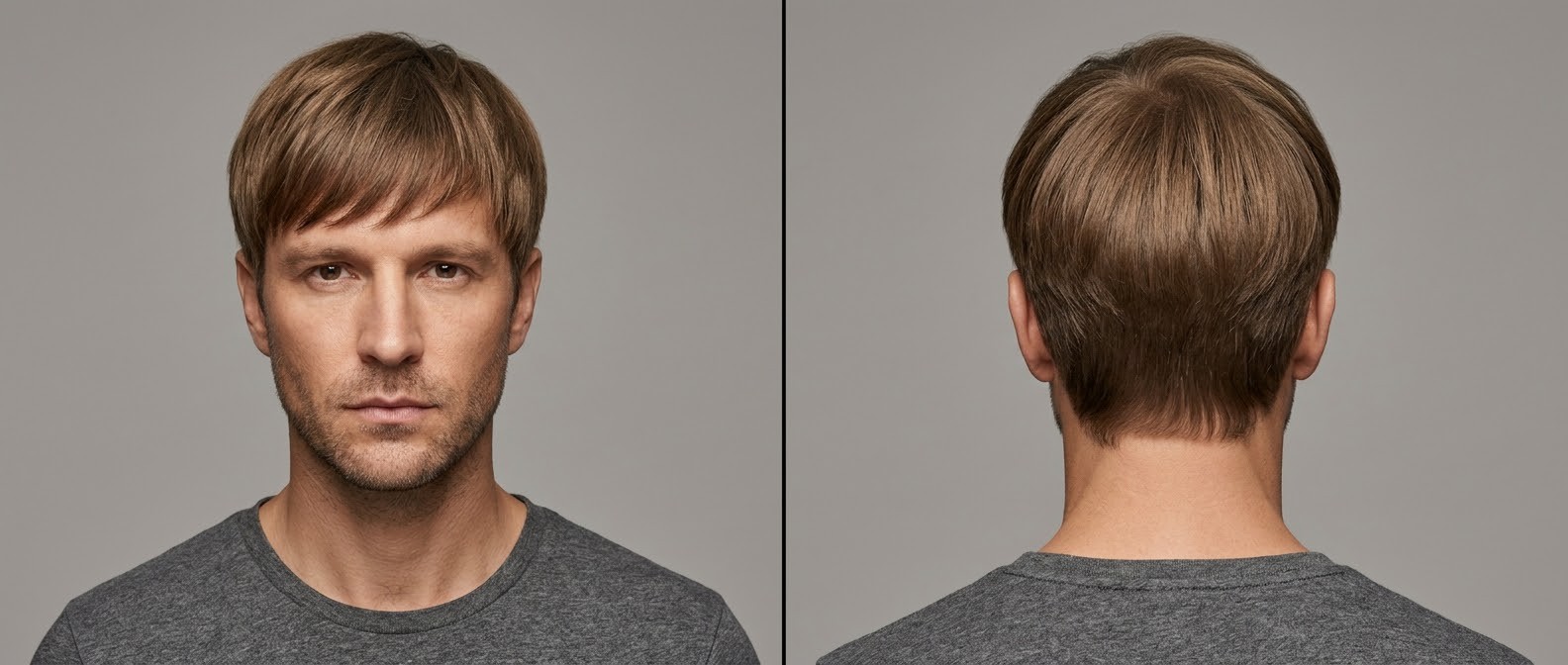
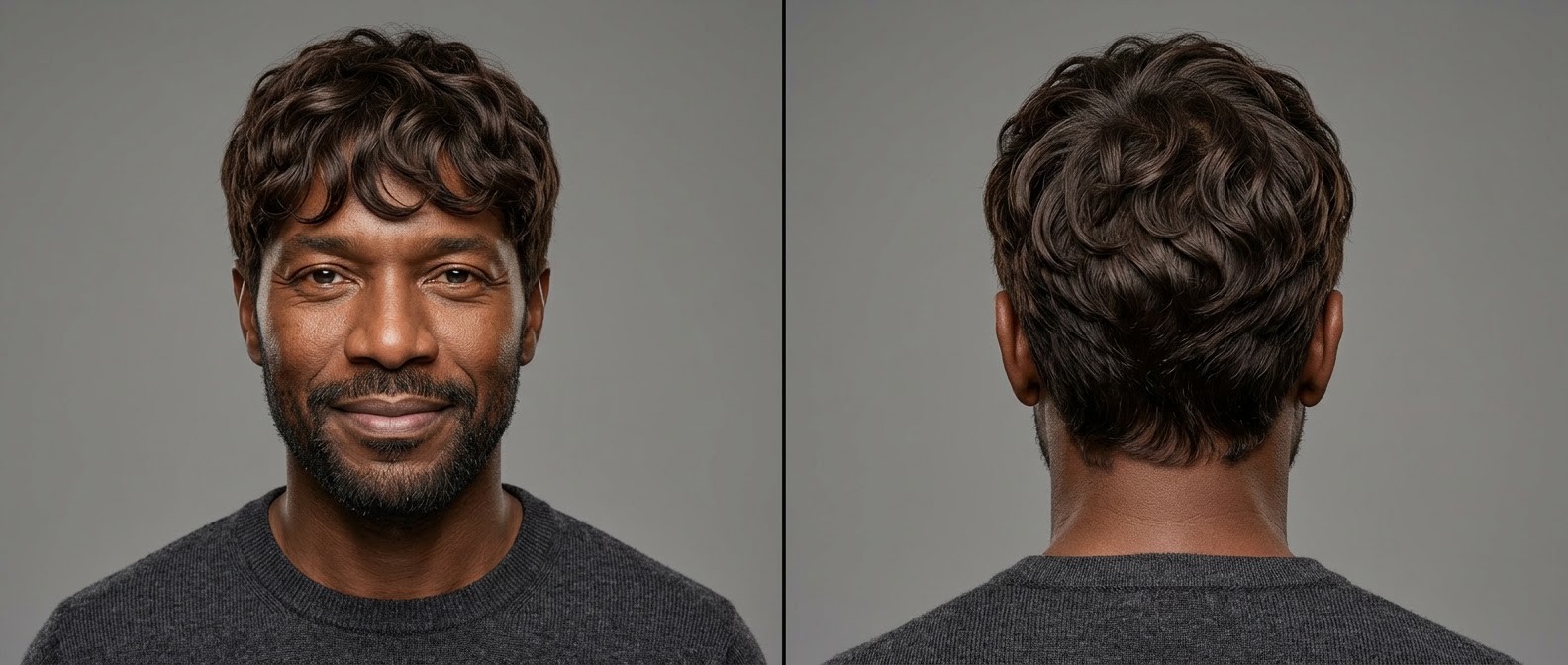
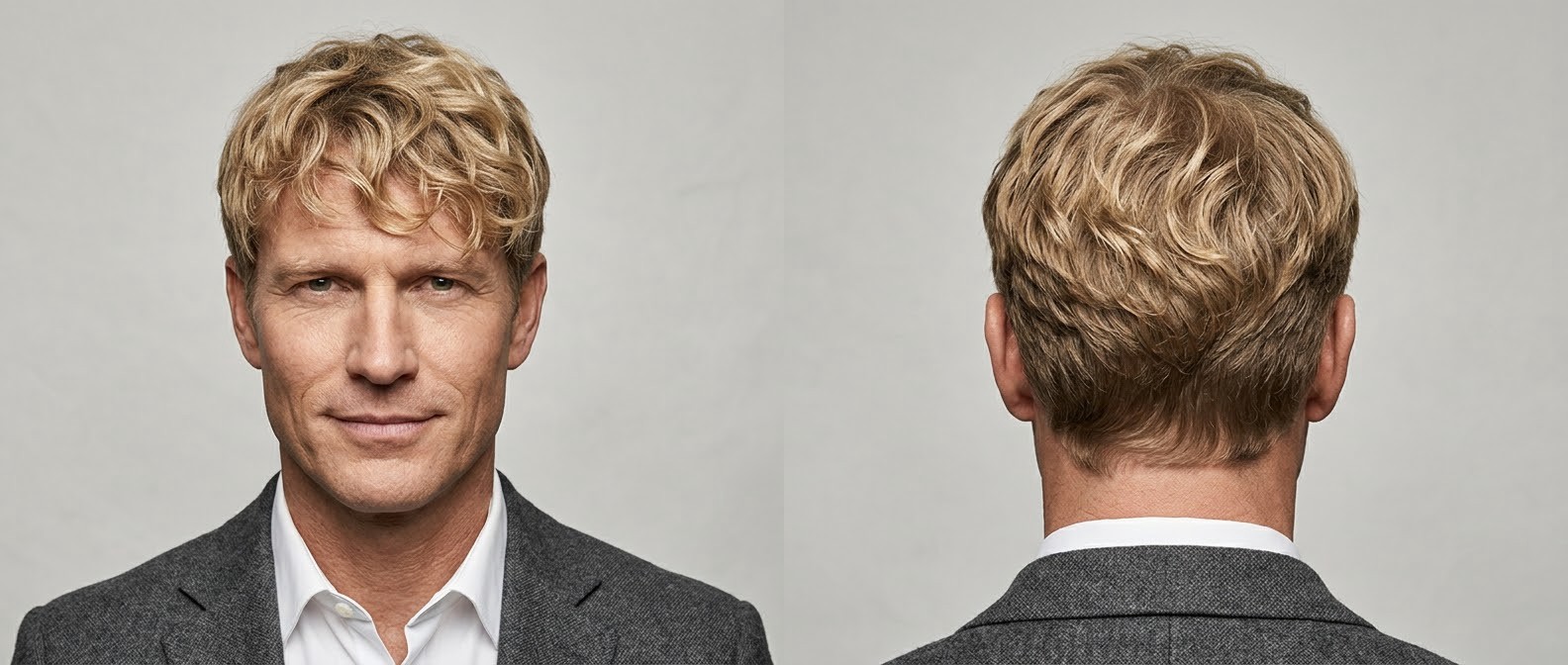
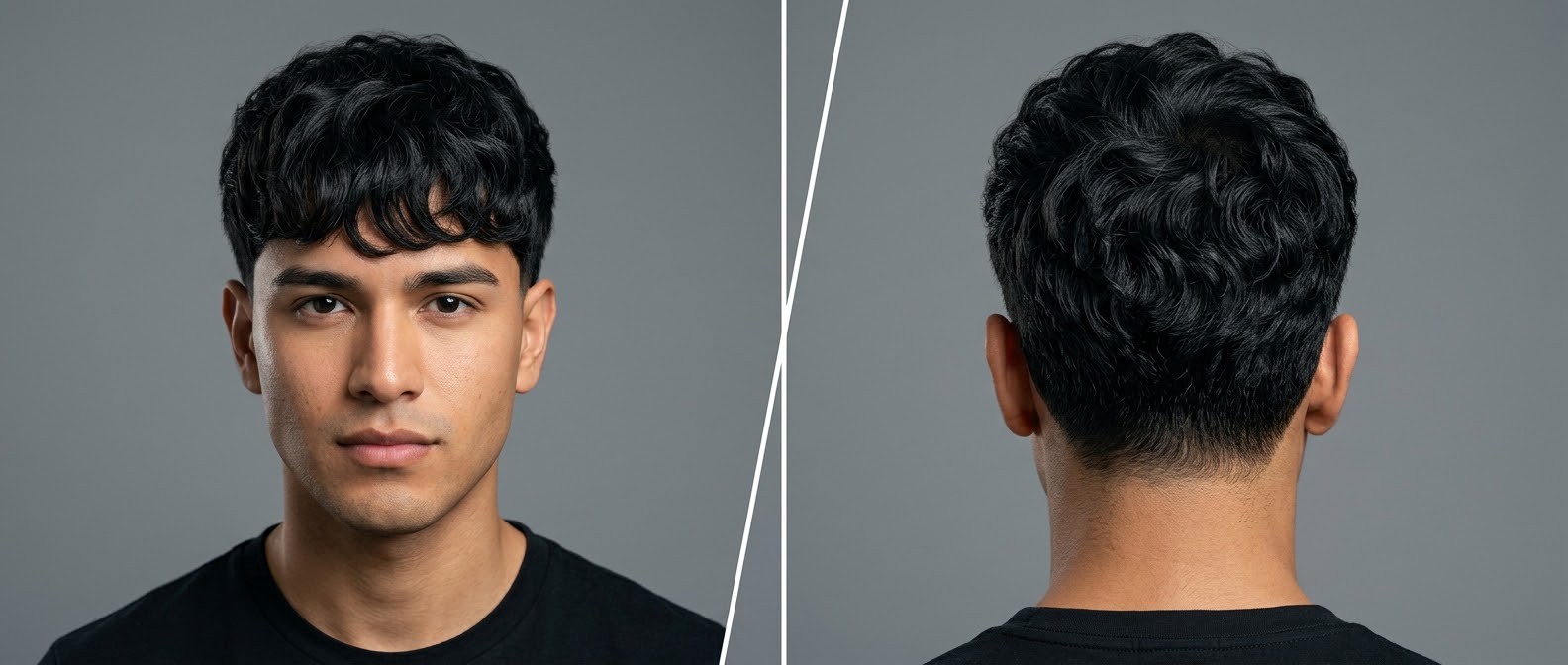
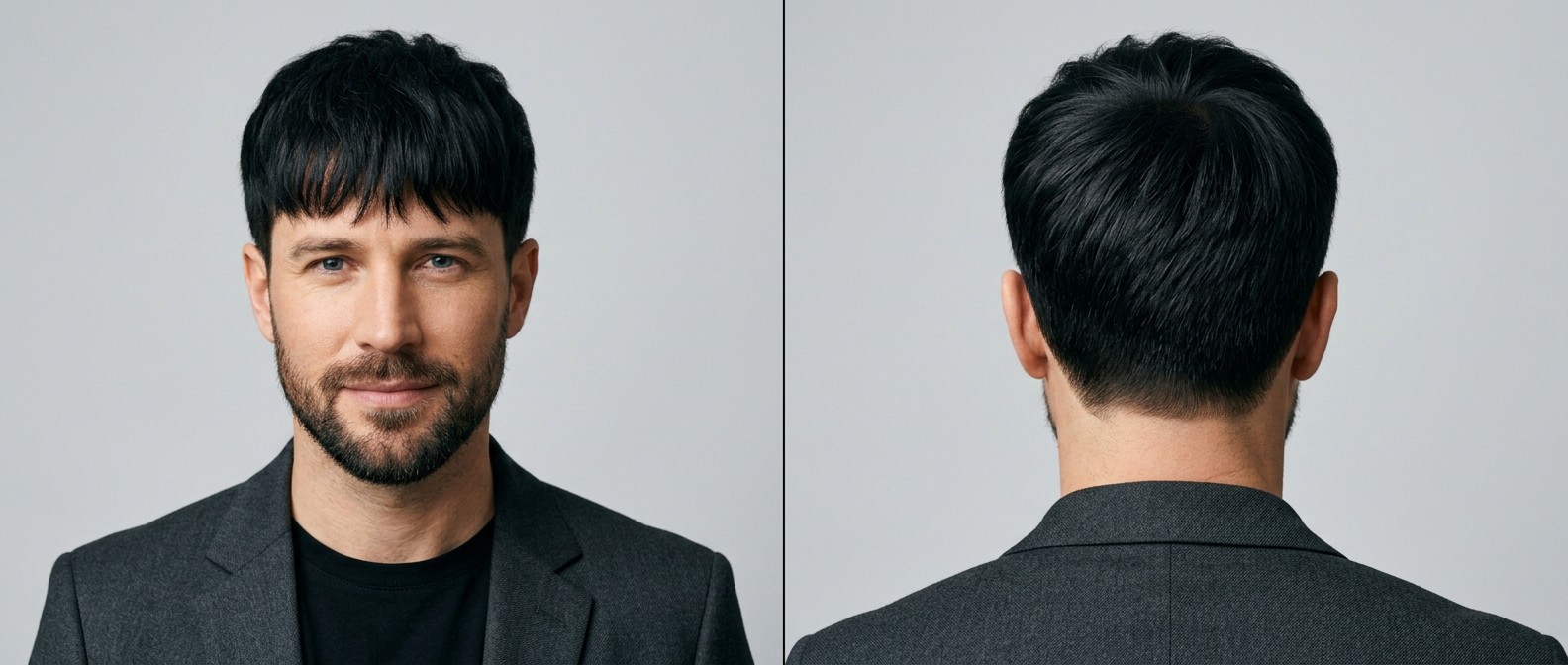
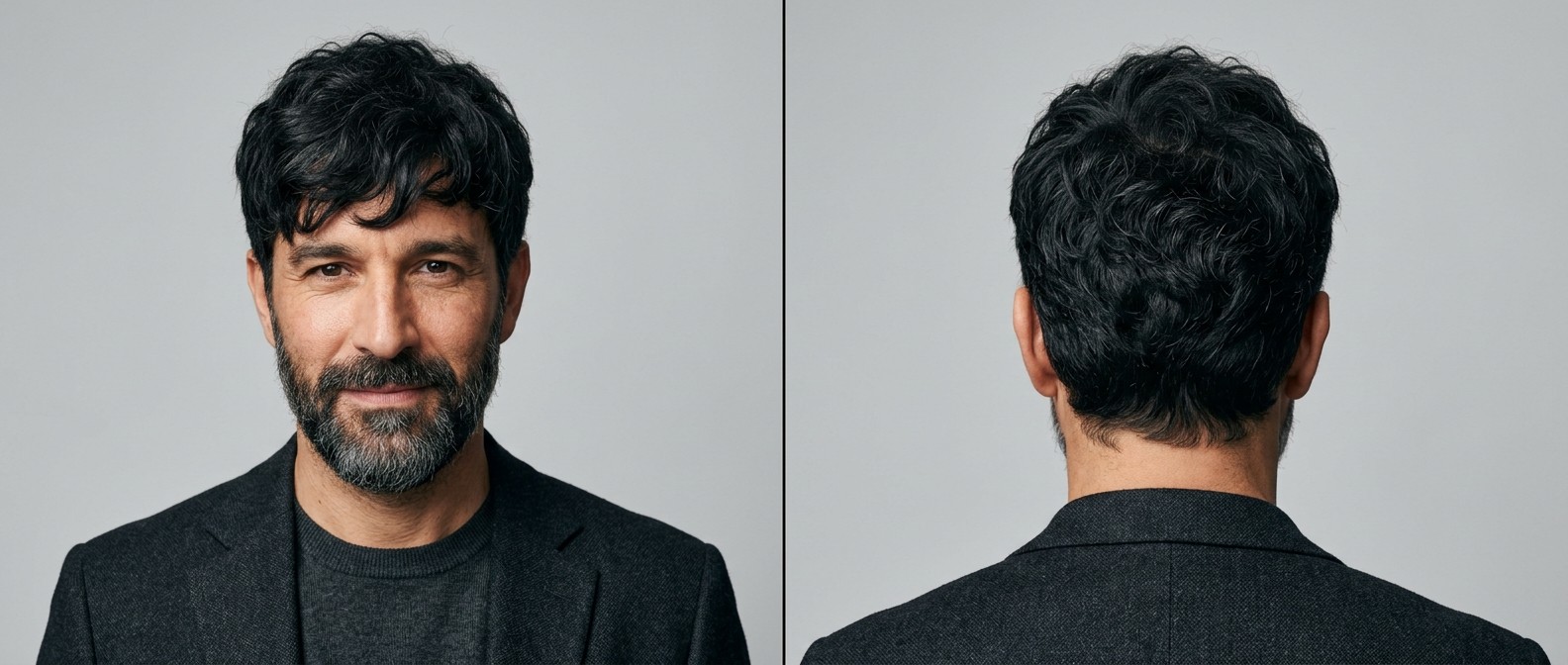
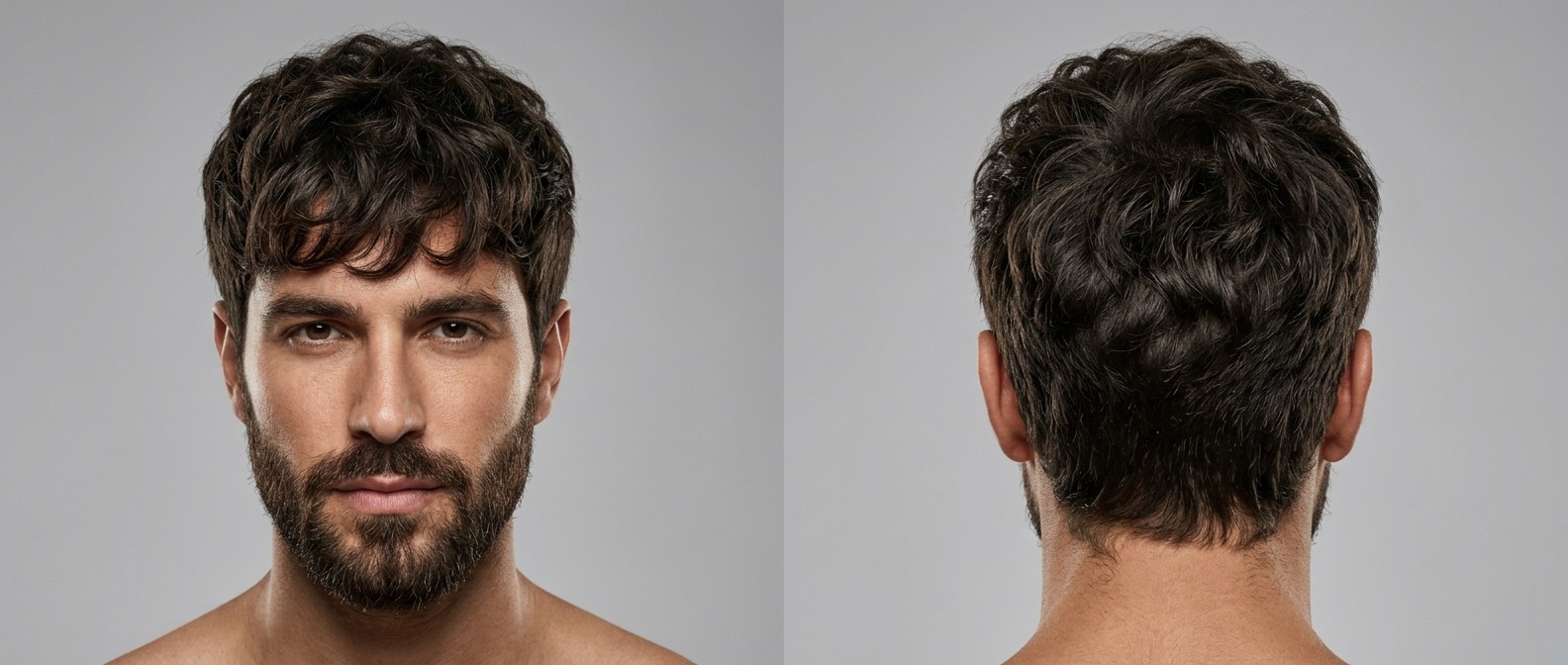
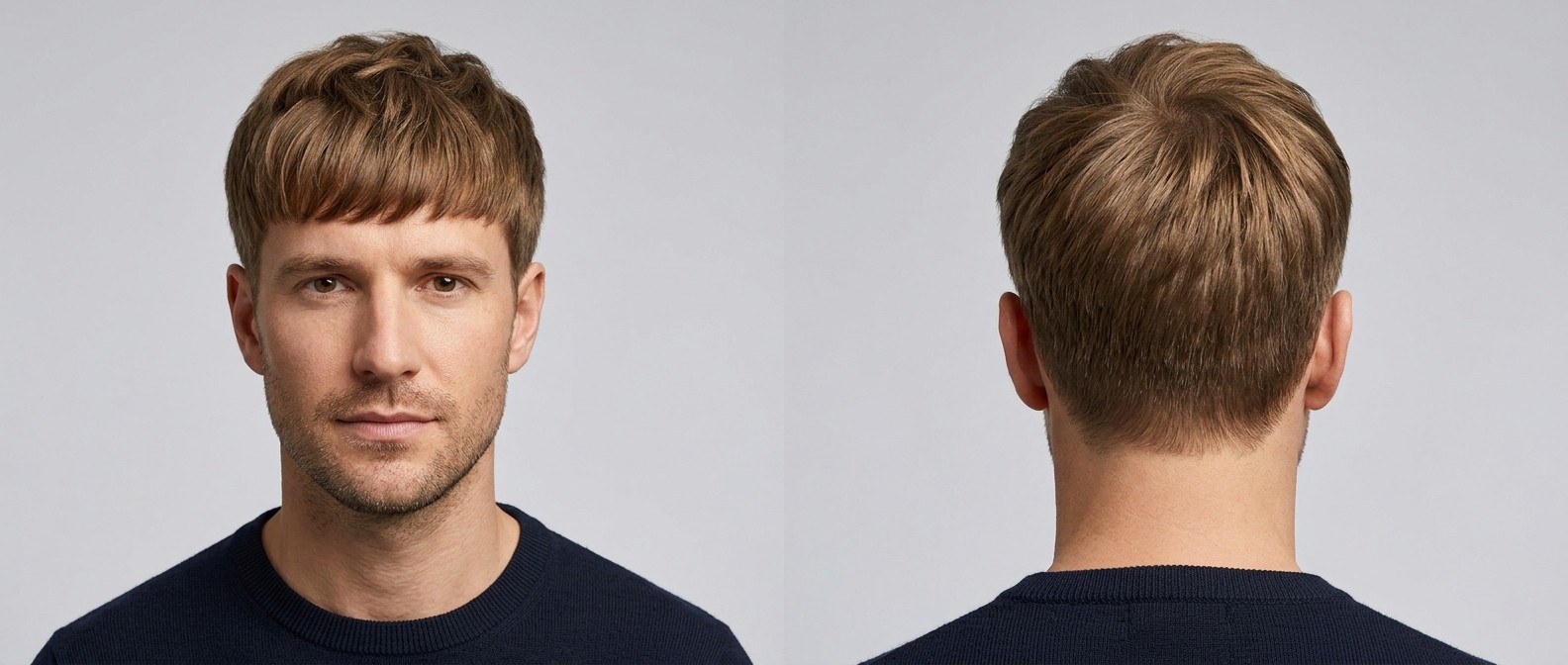
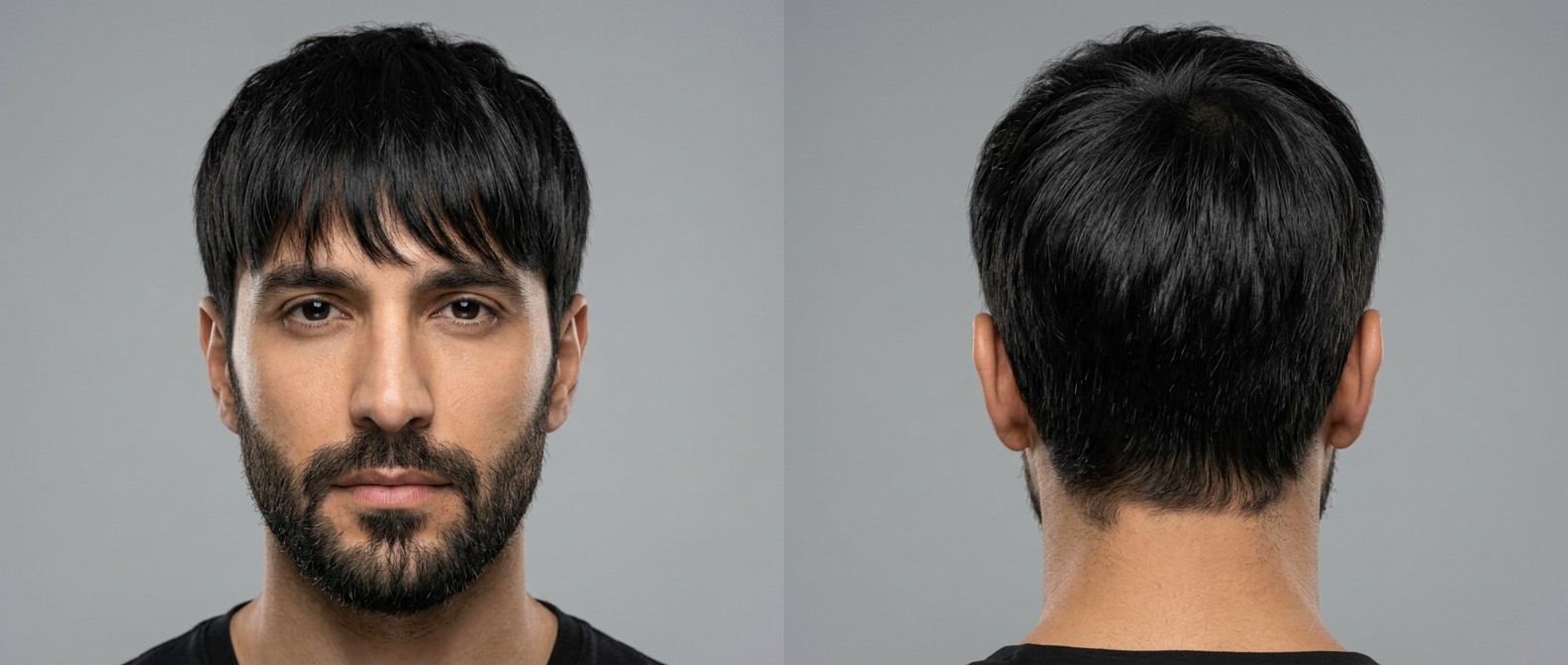
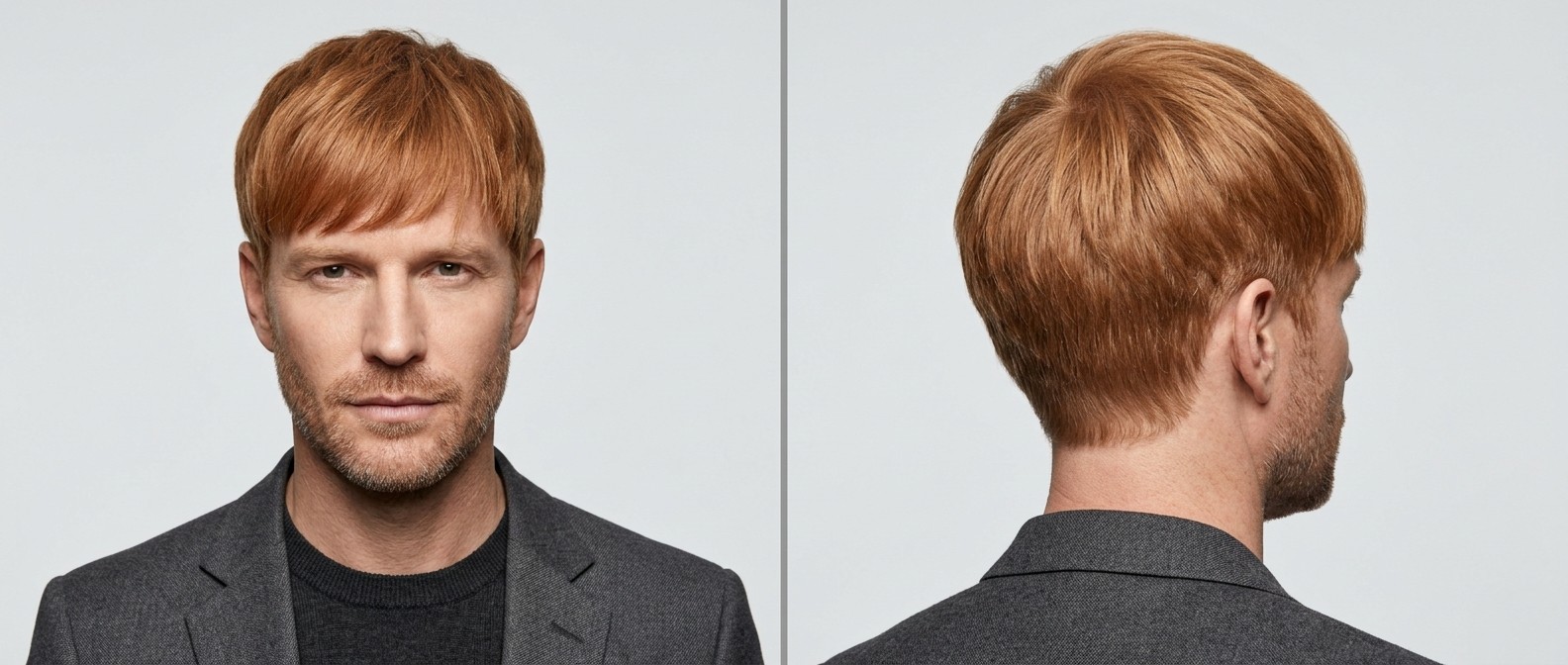
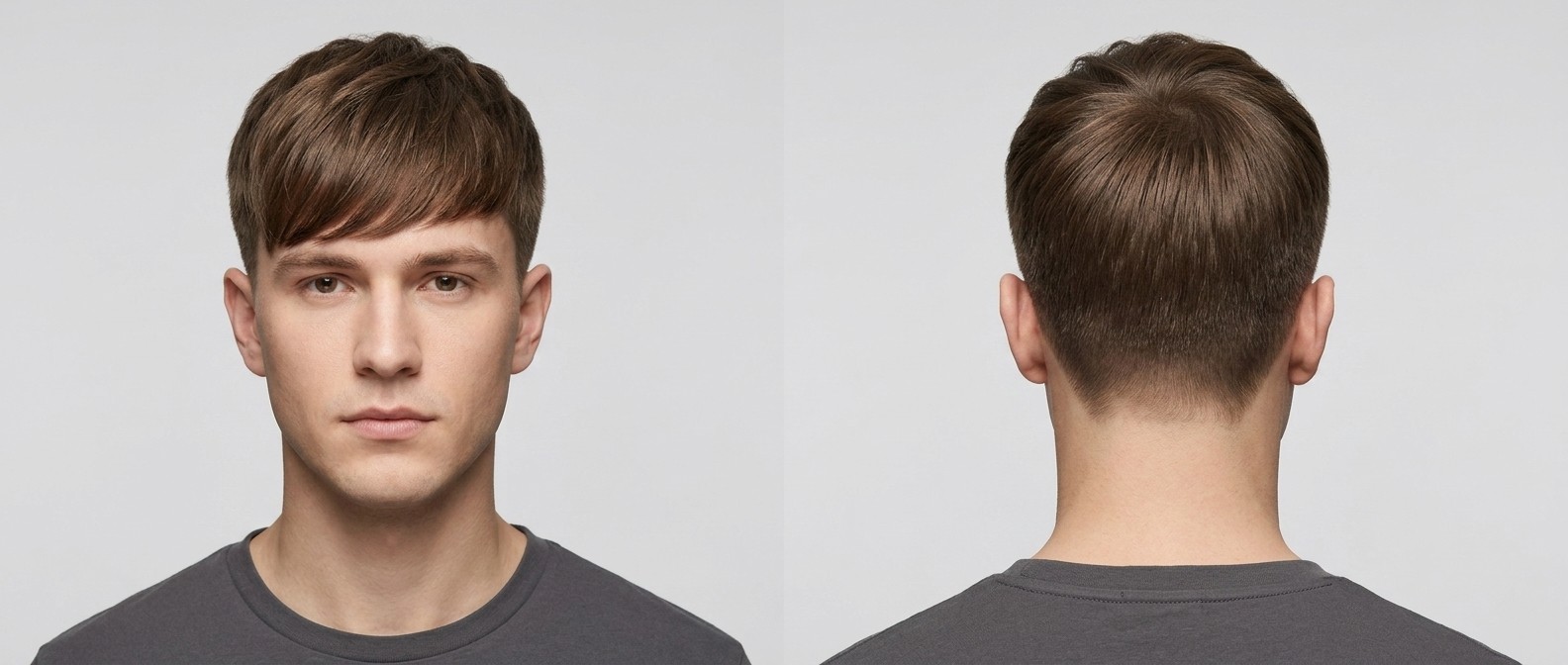
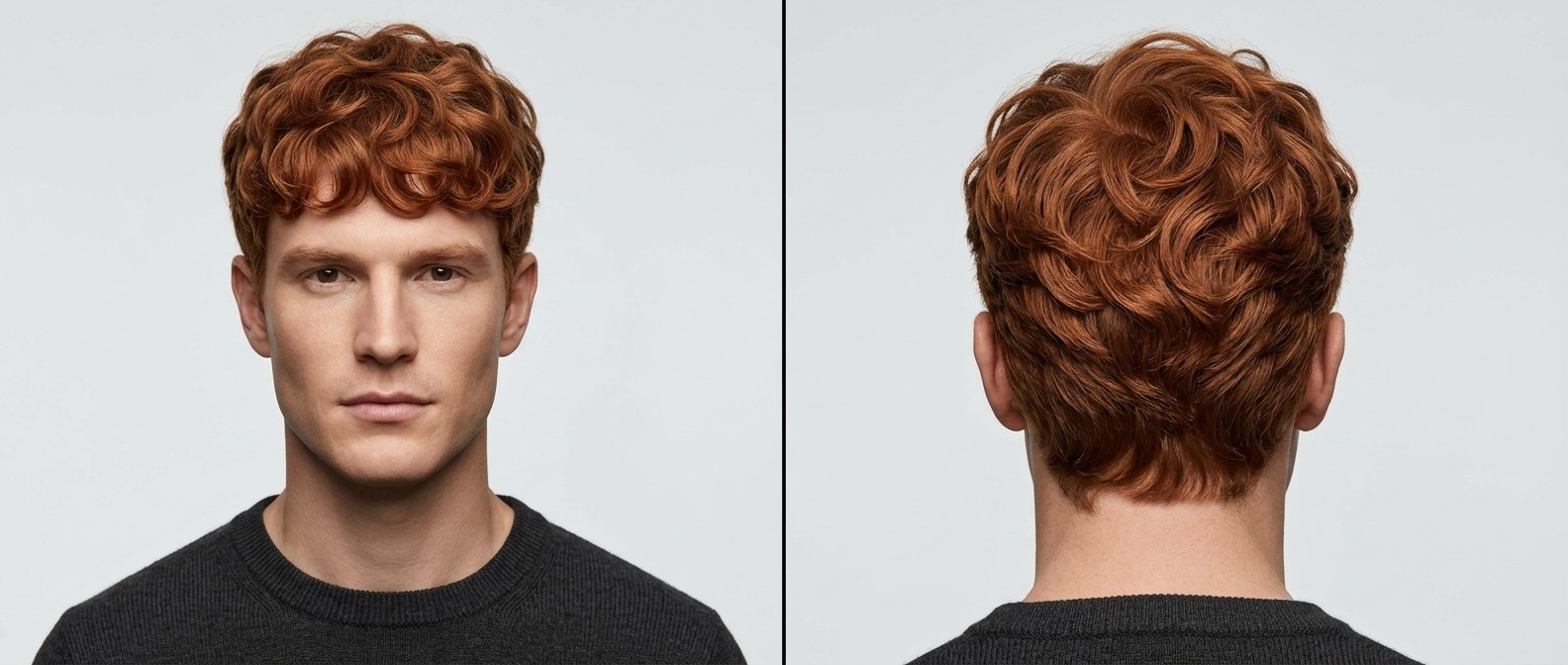
What Is a Fringe Hairstyle?
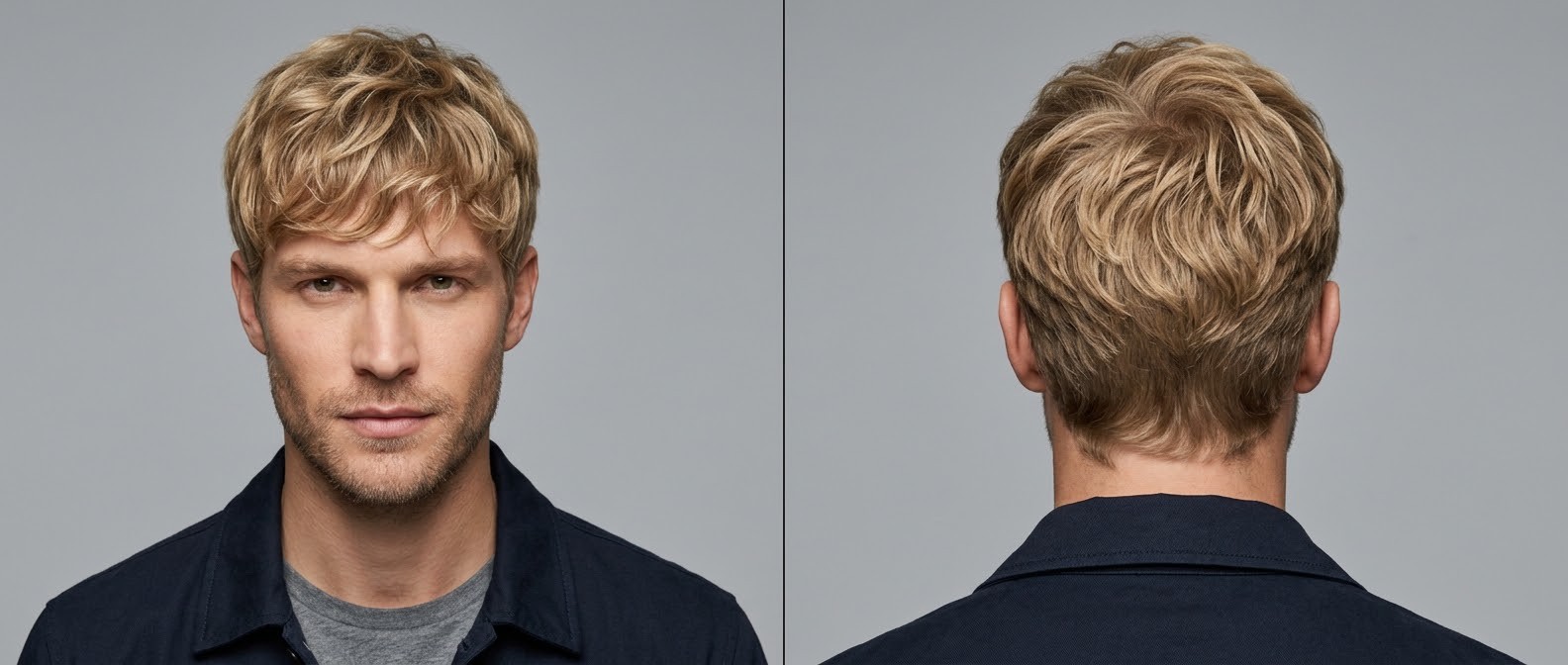
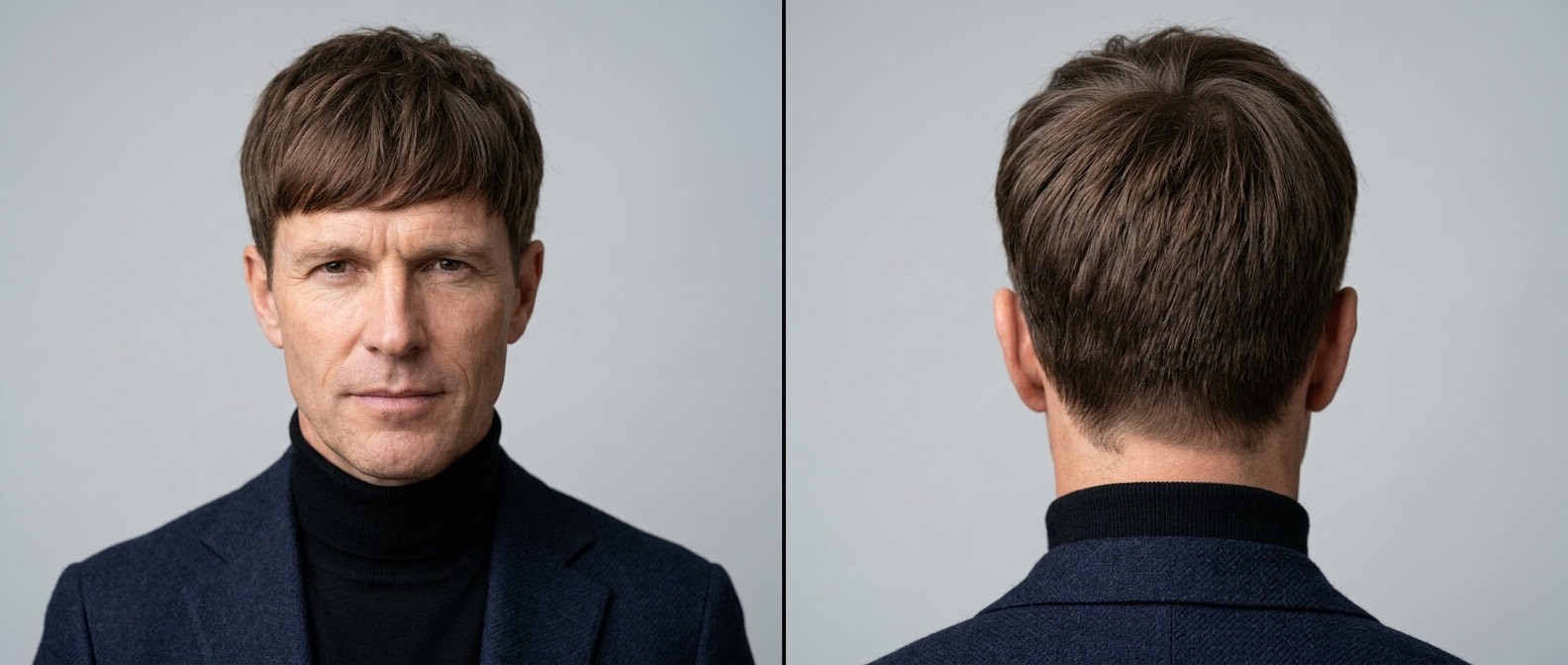
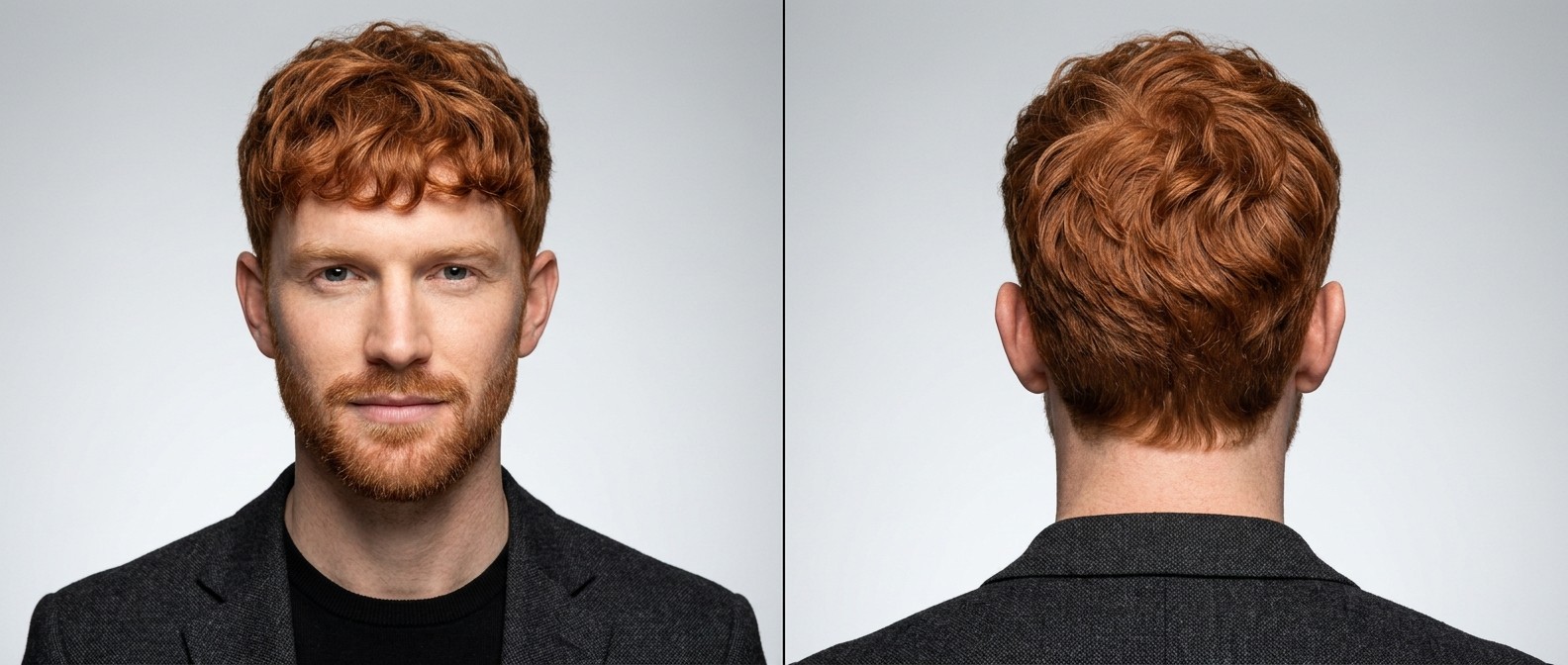
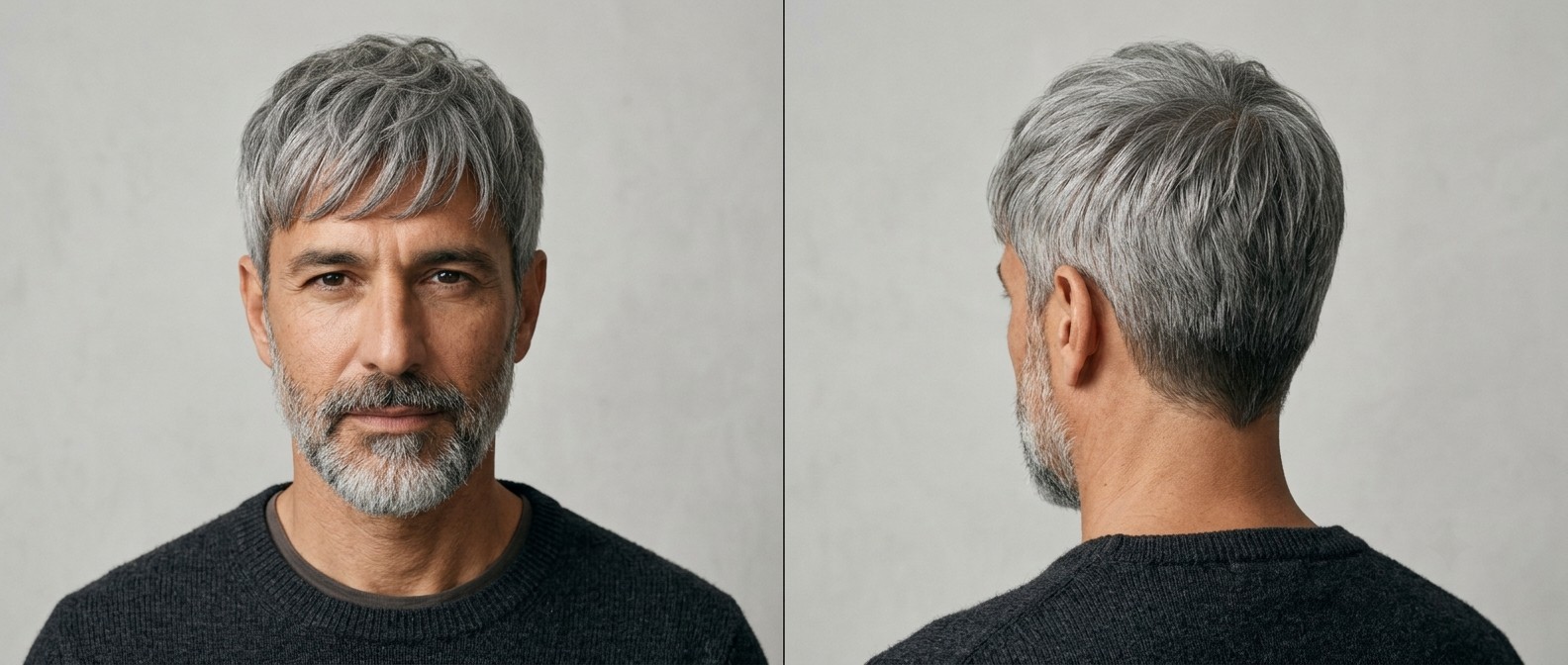
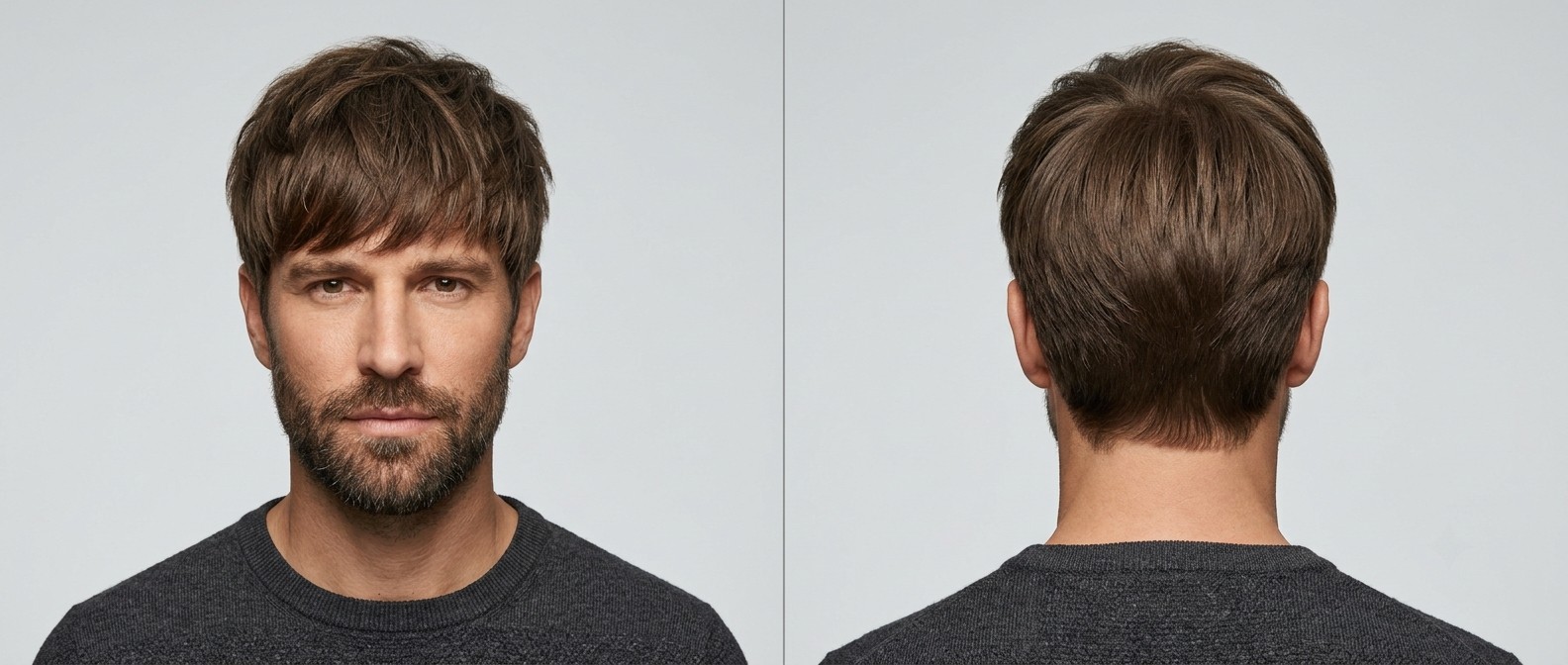
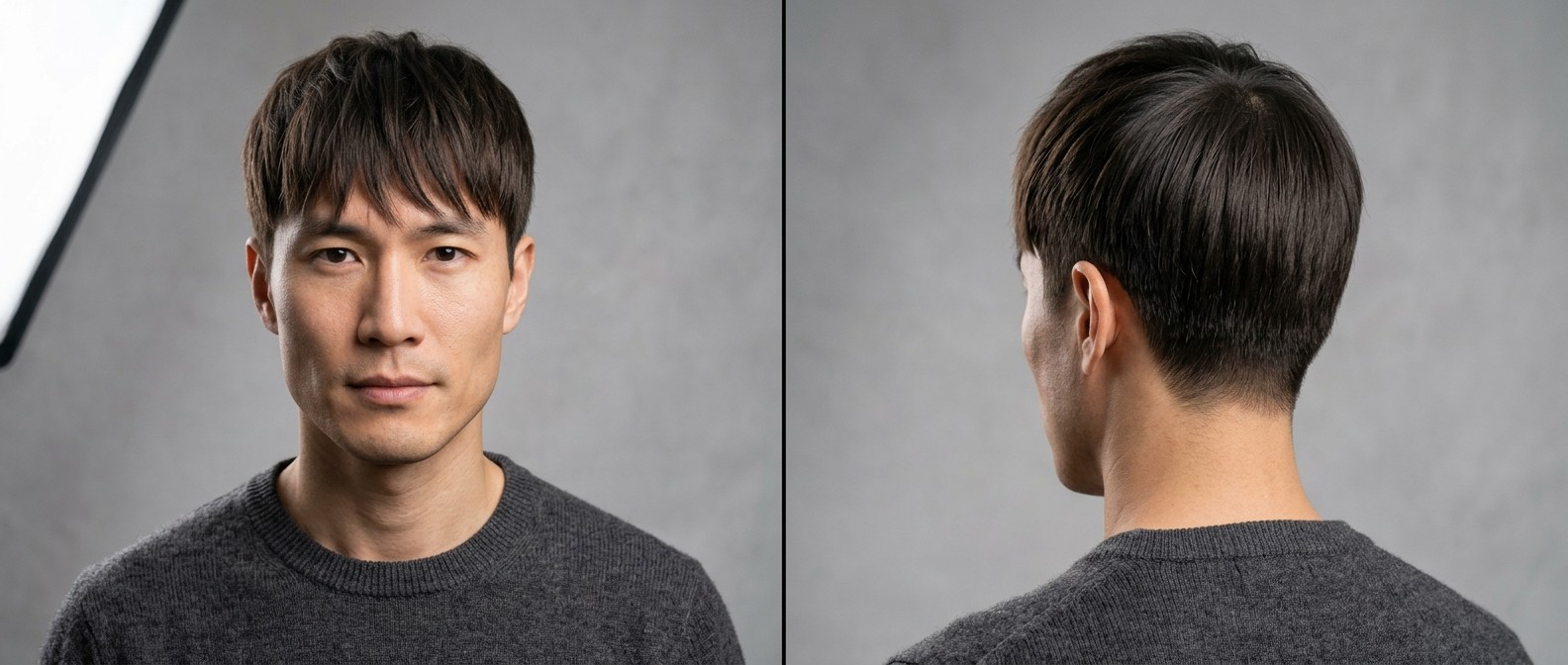
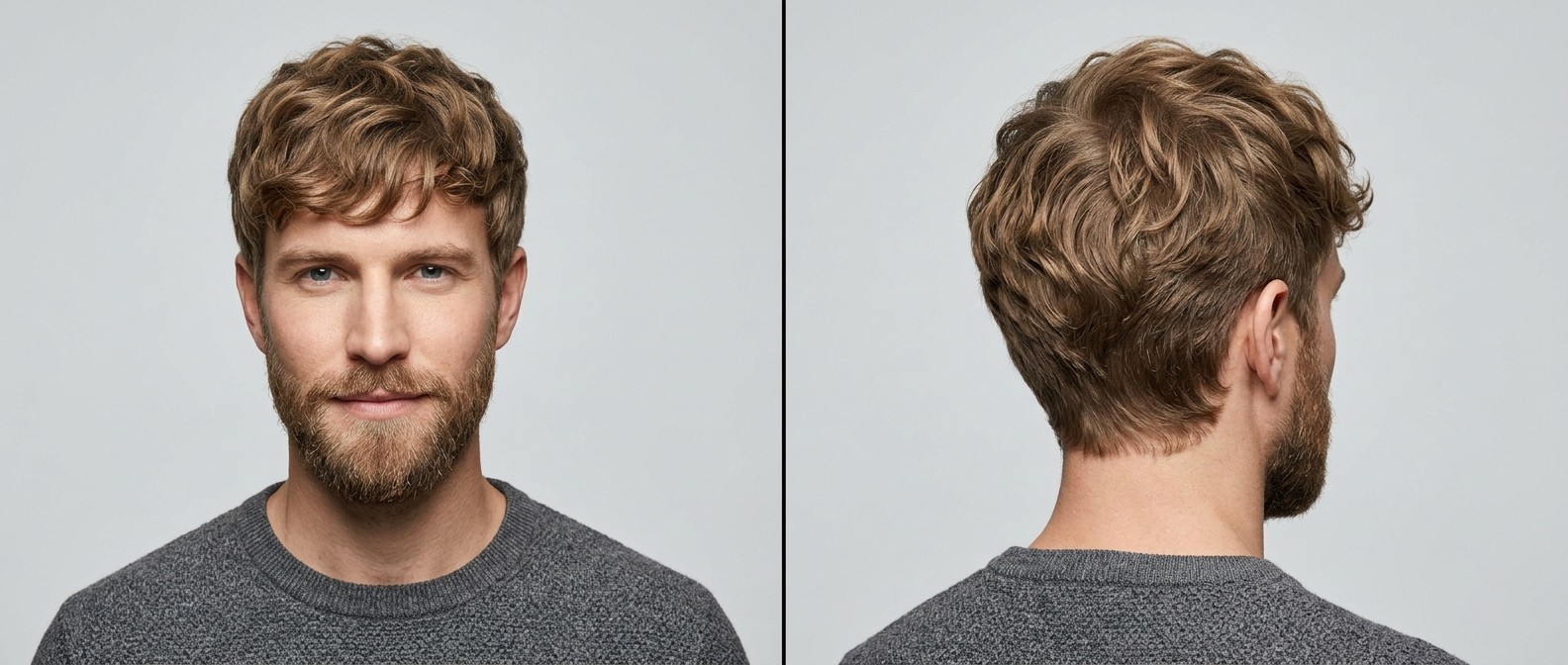
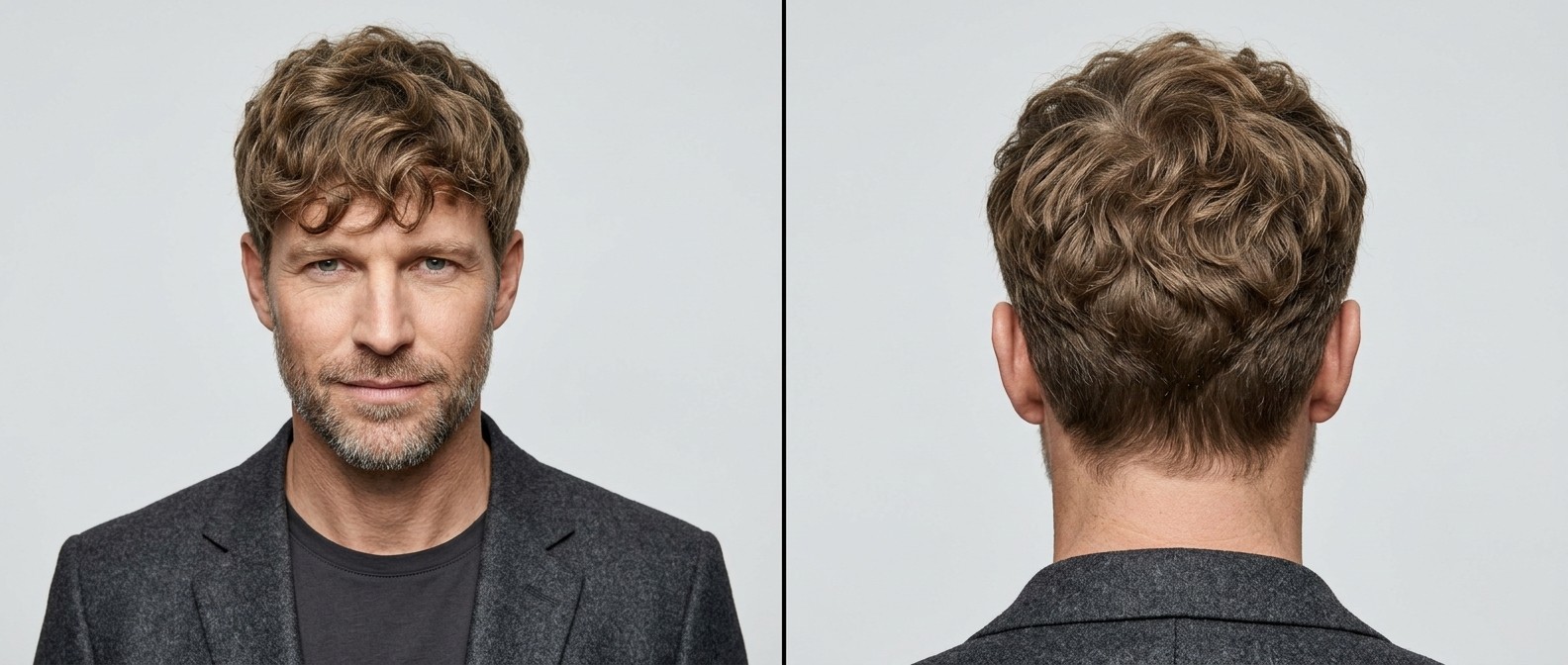
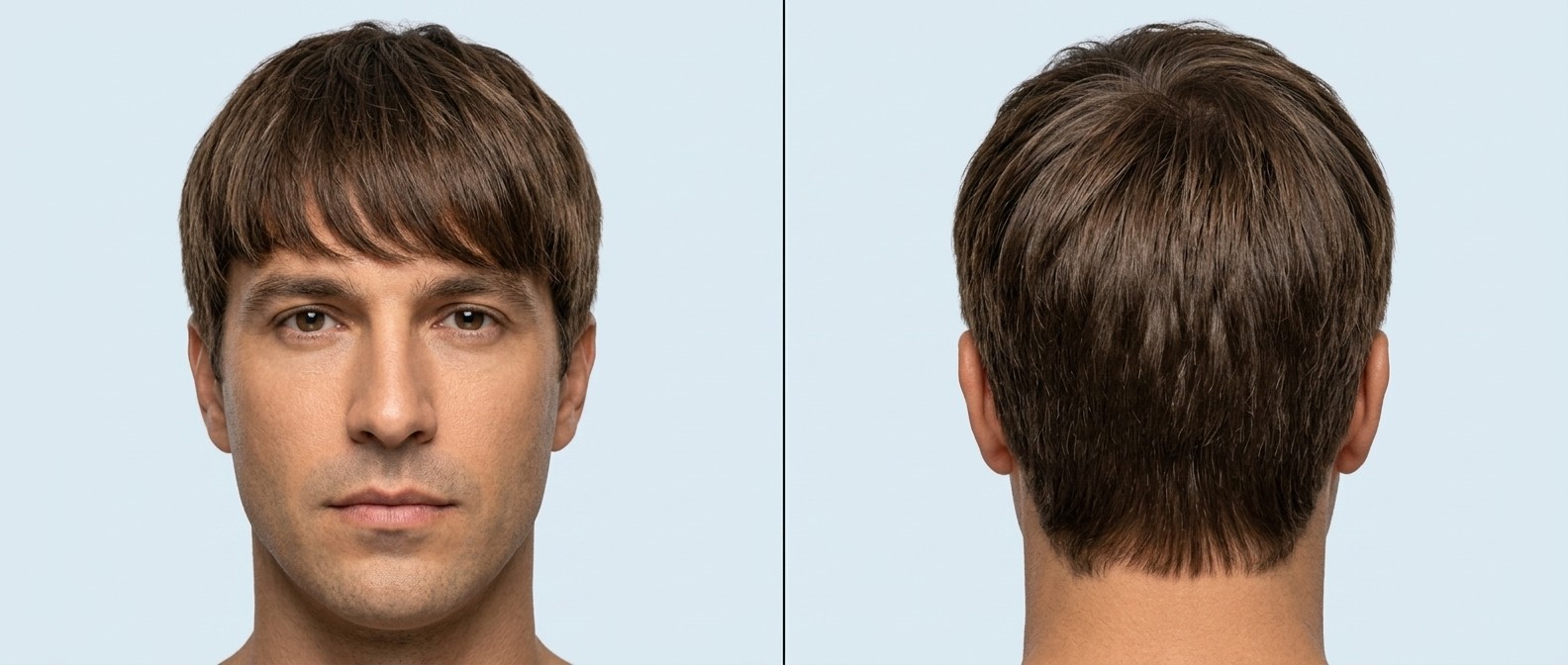
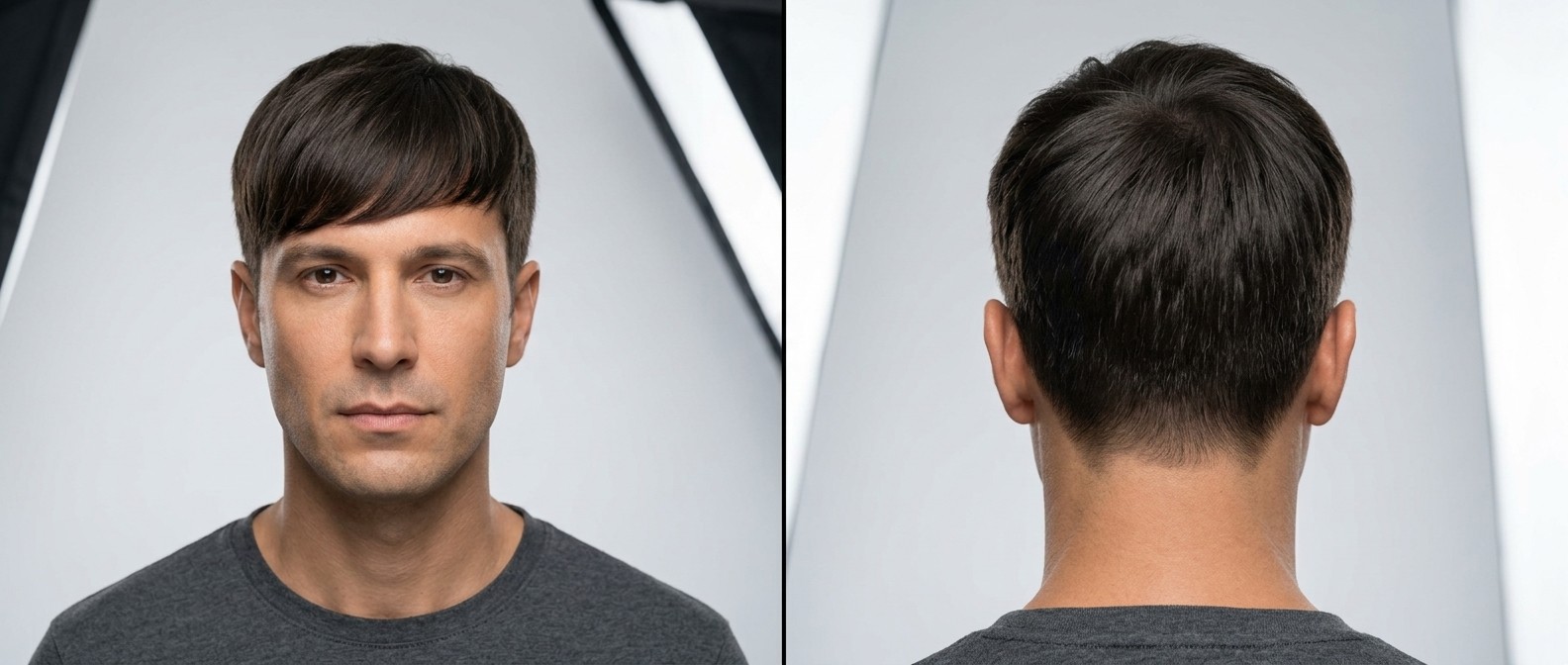
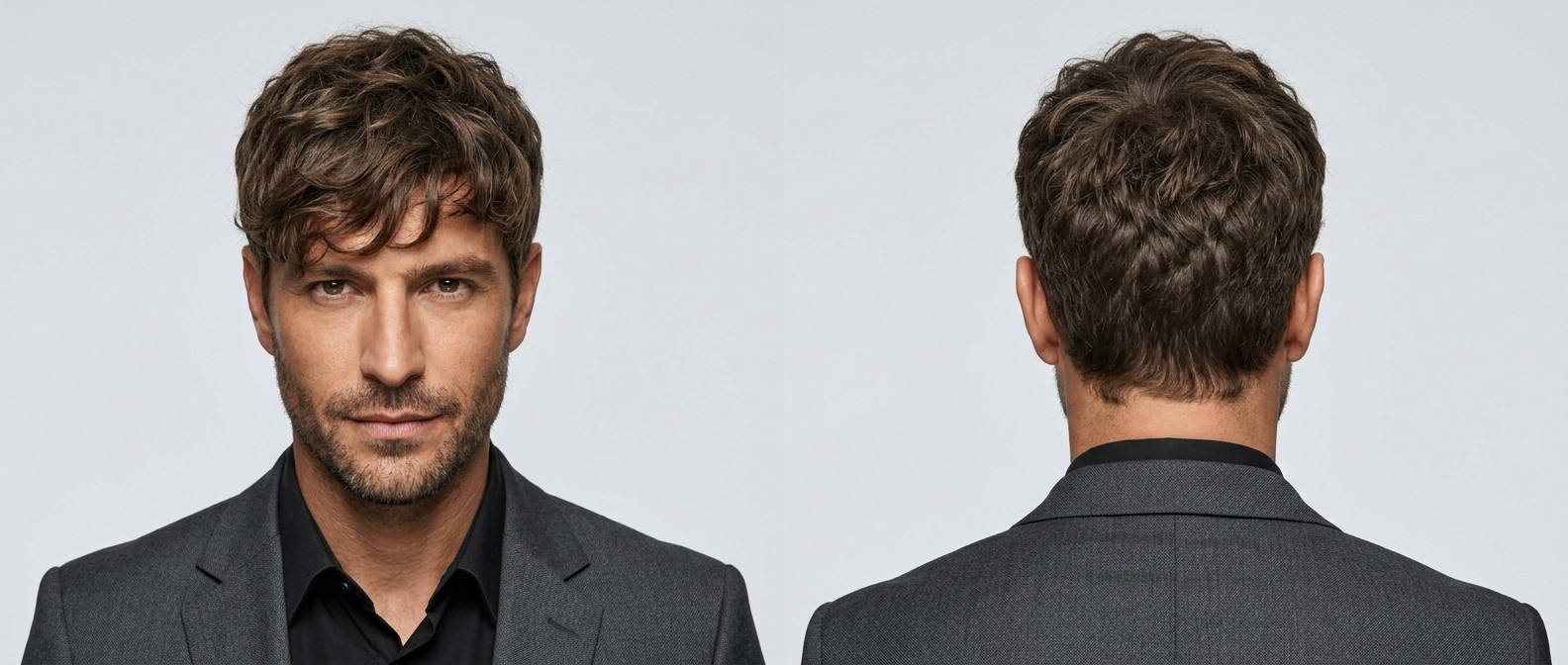
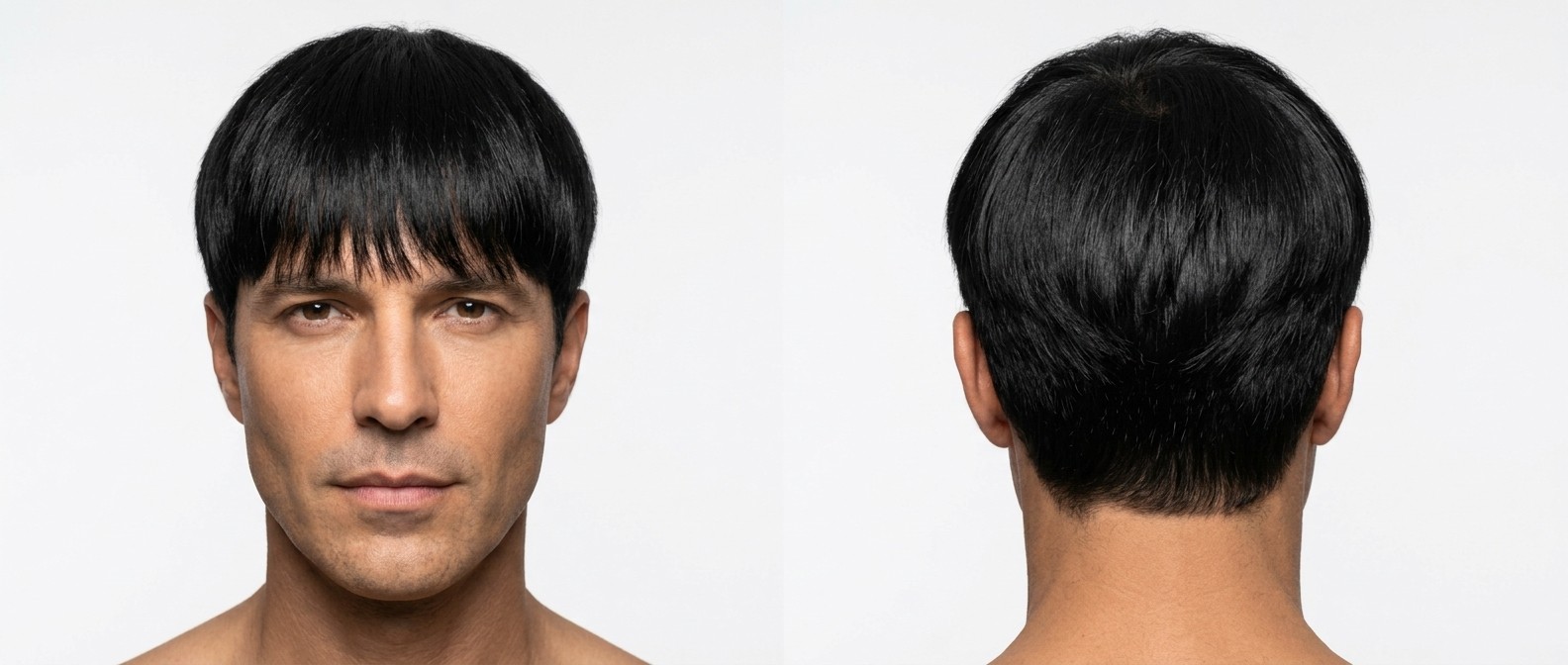
A fringe, also commonly called bangs, refers to any section of hair that is styled forward to cover part or all of the forehead. In men's hairstyling, the fringe is both a standalone style element and a component of many other hairstyles — the French crop, Caesar cut, and curtains all incorporate some form of fringe.
What makes "the fringe" a hairstyle category in its own right is the intentional emphasis on the forehead-covering hair as the primary design element. Rather than being a secondary detail of another cut, the fringe becomes the focal point. The length, texture, direction, and density of the fringe define the entire look, with the sides and back serving as supporting elements.
The fringe is one of the oldest and most universal hair styling techniques. Every culture and era has produced its own interpretation, from Roman forward-combed styles to modern Korean-inspired long fringes. This universality speaks to the fringe's fundamental function: it frames the face, modifies perceived face shape, and provides a focal point that draws the eye.
Who Should Get a Fringe?
The beauty of the fringe is that there's a version for virtually everyone — but matching the right type of fringe to your face shape is critical. This is where the fringe differs from many other hairstyles. It's not about whether you should get a fringe, but which fringe works for you.
Long or oblong faces benefit most from a fringe because it visually shortens the face by covering the forehead. A full, straight fringe works particularly well here. Round faces should opt for side-swept or angular fringes that add direction and avoid emphasizing the face's circular shape. Square faces look great with textured, slightly messy fringes that soften the sharp angles.
- Long faces — full, straight fringe shortens perceived face length
- Round faces — side-swept or angular fringe adds dimension
- Square faces — textured, soft fringe balances strong features
- Heart-shaped faces — wispy fringe softens a wider forehead
- Oval faces — virtually any fringe style works well
- High foreheads — a fringe is your most effective tool for proportion
How to Style a Fringe
Styling depends entirely on the type of fringe you're wearing, but some universal principles apply. Start with damp, towel-dried hair. Apply a small amount of styling product — the type depends on the finish you want. Matte paste for a natural look, light cream for smoothness, or texturizing spray for piece-y separation.
For a straight-across fringe, comb the hair forward and use a blow dryer pointing downward to set it flat against the forehead. For a side-swept fringe, dry the hair while directing it to your preferred side with a round brush or your fingers. For a textured fringe, scrunch and separate sections with your fingers while drying to create movement and definition.
The most common mistake with fringes is using too much product. A heavy, greasy fringe looks limp and unflattering. Start with less product than you think you need — you can always add more. The fringe should look natural and move slightly with your head, not sit rigid and plastered to your forehead.
What to Tell Your Barber
When asking for a fringe, specificity is essential. "I want a fringe" is too vague — your barber needs to know what kind. Bring reference photos and discuss the following details:
- Length — should the fringe reach your eyebrows, sit above them, or extend past your eyes?
- Density — do you want a thick, full fringe or a wispy, see-through one?
- Texture — blunt and straight, choppy and textured, or softly layered?
- Direction — straight forward, swept to one side, or parted in the middle?
- Sides — what fade or taper level complements your chosen fringe style?
Ask your barber for their professional opinion on which fringe type suits your face shape and hair texture. A good barber will assess your natural growth patterns, hair density, and facial proportions to recommend the most flattering option. The fringe should work with your hair's natural behavior, not fight against it.
Maintenance and Daily Care
Fringes require more daily attention than most other hairstyle elements because they're front and center on your face. The fringe is the first thing that gets messy, greasy, or out of place, and it's the first thing people notice. Daily styling is essential — even if it only takes 2 to 3 minutes.
Wash your fringe regularly. Because it sits against your forehead, it picks up oil from your skin faster than the rest of your hair. Some men wash just the fringe area daily while shampooing the rest of their hair every other day. Keep a small amount of dry shampoo on hand for midday refreshes when the fringe starts to look oily.
Trim frequency depends on the length. Short fringes need a barber visit every 3 to 4 weeks as even slight growth changes the look. Longer fringes can go 5 to 6 weeks between trims. Between appointments, you can do minor maintenance at home — carefully trimming stray hairs that fall into your eyes — but leave major shaping to your barber.
Types of Men's Fringes
The side-swept fringe is the most popular and versatile option, sweeping across the forehead at an angle. It works for almost every face shape and hair type. The straight-across fringe creates a bold, graphic look that's perfect for long or oval faces. The textured fringe incorporates piece-y, choppy layers for a modern, casual aesthetic.
The micro fringe (or baby bangs) sits well above the eyebrows for an edgy, fashion-forward look. The long fringe extends past the eyes and can be tucked behind the ears or left to drape — this is popular in Korean and Japanese men's styling. The wispy fringe uses thin, see-through sections for a delicate, subtle forehead covering. The angular fringe is cut at a diagonal, shorter on one side and longer on the other, creating a dynamic, asymmetric line across the face. Each type serves a different aesthetic and functional purpose.