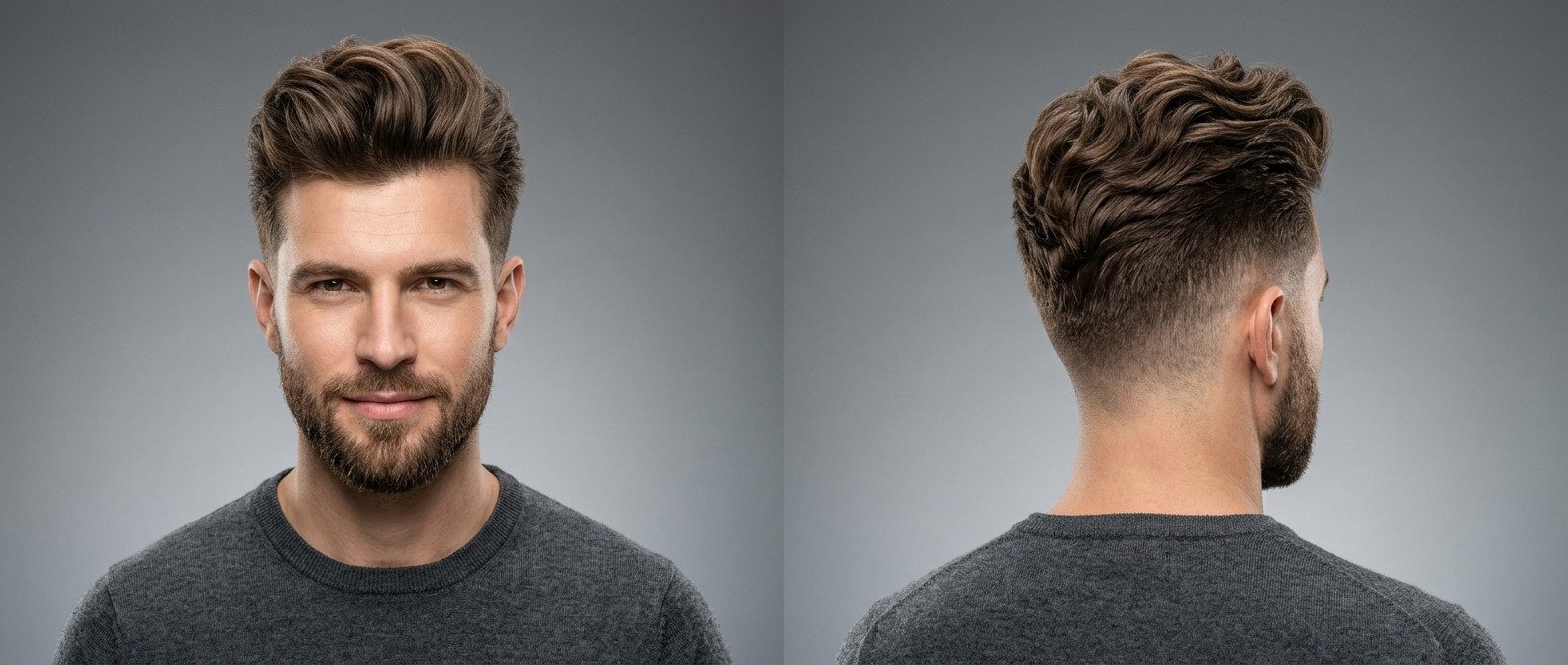
Add one front-facing photo. We send it to the AI together with this exact cut — and you get a photorealistic preview of yourself wearing it.
1
Your photo
Front view · neutral face · even light
2
This haircut
Already included
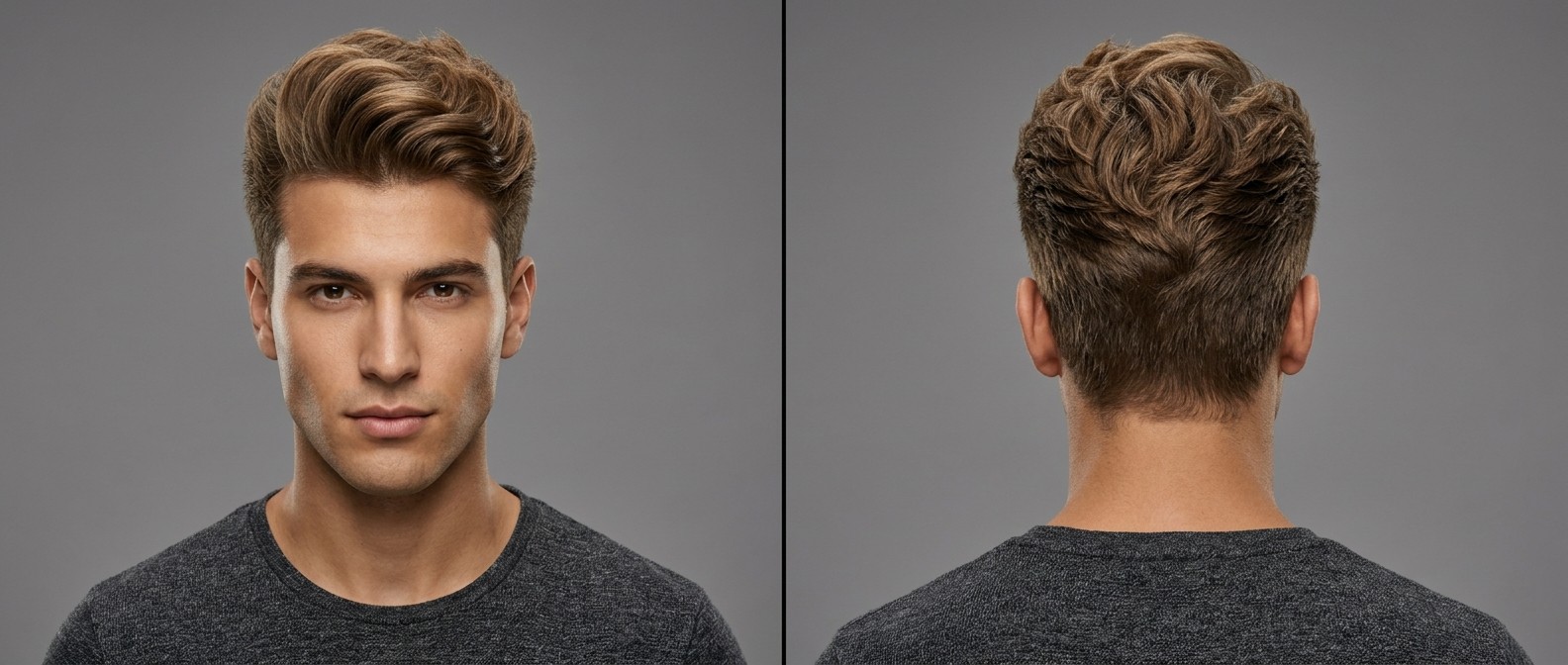
Front and back reference — taken from this page
3
Your preview
Your result appears here
![]()
![]()
Generated for you, not published anywhere
How do you rate this tool?
- Reading your photo
- Matching the cut
- Rendering your preview
How to take a photo that works
Do
- Face the camera straight on
- Even daylight, no harsh shadow
- Head and shoulders in frame
- Hair fully visible, nothing covering it
Avoid
- Hats, caps, hoods, sunglasses
- Steep angles or a tilted head
- Group photos or heavy filters
- Backlight that darkens the face
Modern Wavy Quiff Haircut with Taper Fade and Textured Top
 Top
Medium (5-10 cm)
Top
Medium (5-10 cm)
 Sides
Short (6-20 mm)
Sides
Short (6-20 mm)
 Hair Type
Wavy (Type 2)
Hair Type
Wavy (Type 2)
 Face Shape
Diamond
Face Shape
Diamond
 Maintenance
High
Maintenance
High
 Thickness
Thick / Dense
Thickness
Thick / Dense
About This Style
The Modern Wavy Quiff is a masterclass in balancing natural texture with professional polish. Looking closely at this specific variation, you will immediately notice the striking contrast between the meticulously faded sides and the voluminous, sweeping waves on top. The hair is directed upward and backward from the forehead, allowing the natural Type 2 wave to create thick, dynamic ridges that catch the light perfectly and add incredible depth to the overall silhouette. The sides feature a clean, mid-level taper fade that drops slightly around the ear, seamlessly connecting the facial hair to the longer top without any harsh disconnection or aggressive skin fades. The back of the head mirrors this smooth transition, tapering cleanly at the nape while leaving enough weight at the crown to maintain a cohesive, rounded shape.
This hairstyle is exceptionally well-suited for the modern professional who wants to maintain a prominent sense of personal style within a strict business or office environment. It flatters diamond face shapes beautifully by adding necessary width and height at the top to balance prominent cheekbones and a narrower forehead. If you have thick, dense hair, this cut strategically removes excess bulk from the sides while proudly showcasing your natural wave pattern at the crown and fringe. It projects an image of effortless confidence and sophisticated grooming, making it an ideal choice for men in their mid-twenties to thirties who want a versatile, high-end look. Whether you are leading a boardroom presentation or attending an upscale evening event, this quiff ensures you always look sharp, intentional, and impeccably styled.
This hairstyle is exceptionally well-suited for the modern professional who wants to maintain a prominent sense of personal style within a strict business or office environment. It flatters diamond face shapes beautifully by adding necessary width and height at the top to balance prominent cheekbones and a narrower forehead. If you have thick, dense hair, this cut strategically removes excess bulk from the sides while proudly showcasing your natural wave pattern at the crown and fringe. It projects an image of effortless confidence and sophisticated grooming, making it an ideal choice for men in their mid-twenties to thirties who want a versatile, high-end look. Whether you are leading a boardroom presentation or attending an upscale evening event, this quiff ensures you always look sharp, intentional, and impeccably styled.
Key Features
- Sweeping frontal volume that lifts aggressively up and back, creating a prominent, textured quiff silhouette.
- Pronounced wavy texture (Type 2) on the top canopy, forming thick, distinct ridges rather than a uniform, slicked surface.
- Seamless mid-taper fade on the sides and back, transitioning smoothly from about 6mm up to the medium-length top.
- Expertly blended crown area that maintains the natural wave pattern without sticking up awkwardly or disrupting the profile.
- Cleanly tapered sideburns that drop directly into a well-groomed, short beard, creating a continuous, sharp frame for the jawline.
- A structured yet pliable finish that implies natural movement while maintaining a secure, all-day hold.
Getting the Cut
- Request a classic quiff with a mid-taper fade on the sides and back, keeping the top length between 5 to 10 centimeters.
- Ask the barber to use clipper guards starting around a #2 or #3 (6-10mm) at the lowest point, fading smoothly upward to blend into the parietal ridge.
- Instruct them to use a scissor-over-comb technique to connect the faded sides to the longer, heavier top, ensuring there is no harsh disconnection or shelf effect.
- Request point cutting and texturizing shears through the top canopy to remove excess bulk from your thick hair, allowing the natural wave to move freely.
- Ask to leave the fringe area slightly longer than the crown, providing the necessary length to sweep the hair up and back for the quiff's signature volume.
- Specify that the crown should be layered to lay flat and follow your natural growth pattern, preventing any stubborn cowlicks from standing straight up.
- Ask for a smooth taper down into your beard at the sideburns, keeping the hairline edges around the ears and nape sharply lined up with a trimmer for a crisp finish.
Daily Routine
- Start your routine with freshly washed, towel-dried hair that is slightly damp but definitely not dripping wet, as this provides the absolute best foundation for manipulating thick, wavy hair without causing frizz.
- Apply a dime-sized amount of pre-styling sea salt spray or a lightweight heat protectant mousse evenly through the entire top section, working it meticulously from the roots all the way to the tips to ensure full coverage.
- Equip your blow dryer on a medium heat and medium speed setting, and pair it with a vented round brush or a high-quality wide-tooth styling comb to begin the drying process.
- Direct the airflow upward and backward at the front hairline, using the brush to aggressively lift the roots and encourage the hair's natural sweeping wave to form its signature quiff volume.
- Continue drying the middle and crown sections, brushing the hair backward while following the natural flow of your waves, ensuring the sides are brushed down tight to the head.
- Once the hair is one hundred percent dry and the general quiff shape is established, switch the blow dryer to the cold shot setting for thirty seconds, blasting the front to lock the volume and cuticles in place.
- Scoop a finger-tip amount of matte clay, styling paste, or medium-hold pomade, and emulsify it completely between your palms by rubbing them together until the product becomes warm and entirely invisible.
- Run your coated hands lightly over the top canopy of the hair from front to back to distribute the product, then use your individual fingers to pinch, twist, and define specific wavy ridges for a highly textured, separated, and professional finish.
Products & Tools
- Matte styling clay or medium-hold texturizing paste to provide a pliable, natural-looking finish without unwanted greasy shine.
- Sea salt spray or volumizing pre-styler mousse to add grip and enhance the natural Type 2 wave pattern before blow-drying.
- High-quality blow dryer with a directional concentrator nozzle attachment to focus airflow precisely at the roots for maximum lift.
- Vented round brush to help stretch and direct the thick waves upward and backward during the drying process without snagging.
- Wide-tooth comb for initial detangling and to help establish the broad, sweeping lines of the quiff without flattening the texture.
Maintenance
- Schedule barber visits every 3 to 4 weeks to maintain the crispness of the mid-taper fade and keep the thick top from becoming unruly and heavy.
- Wash your hair 2 to 3 times a week using a hydrating sulfate-free shampoo to prevent your thick, wavy hair from drying out and frizzing.
- Incorporate a lightweight, rinse-out conditioner on wash days to keep the hair cuticles smooth and manageable for daily styling.
- Avoid using heavy, high-shine gel products, as these will weigh down your natural waves and cause the hair to look greasy and excessively separated.
- Sleep on a silk or satin pillowcase to reduce overnight friction, which helps prevent frizz and preserves the structural integrity of the waves for easier morning styling.
Best For
Diamond and square face shapes, as the voluminous top balances angular jawlines and prominent cheekbones beautifully.
Men with thick, dense, and naturally wavy (Type 2) hair, which provides the necessary foundation for the style's structure and flow.
Professionals aged 25 to 35 seeking a sophisticated, office-appropriate look that still showcases personal style and flair.
Individuals with high-maintenance grooming habits who don't mind spending 5 to 10 minutes styling their hair each morning.
Business environments, corporate settings, and upscale social events where a polished, put-together appearance is strictly required.
Pro Tips
- Avoid the common mistake of applying styling product to soaking wet hair; this dilutes the hold and ruins the matte, textured finish of the quiff.
- If you live in a humid climate during the summer, finish your styling routine with a light dusting of texturizing powder at the roots to absorb excess moisture and prevent the volume from collapsing.
- When running your fingers through the top to style, follow the natural direction of your wave pattern rather than forcing the hair into a perfectly straight, unnatural line.
- Ask your barber to adjust the height of the fade based on your head shape; a slightly lower fade can help conceal a bumpy occipital bone at the back of the head.
Related Hairstyles
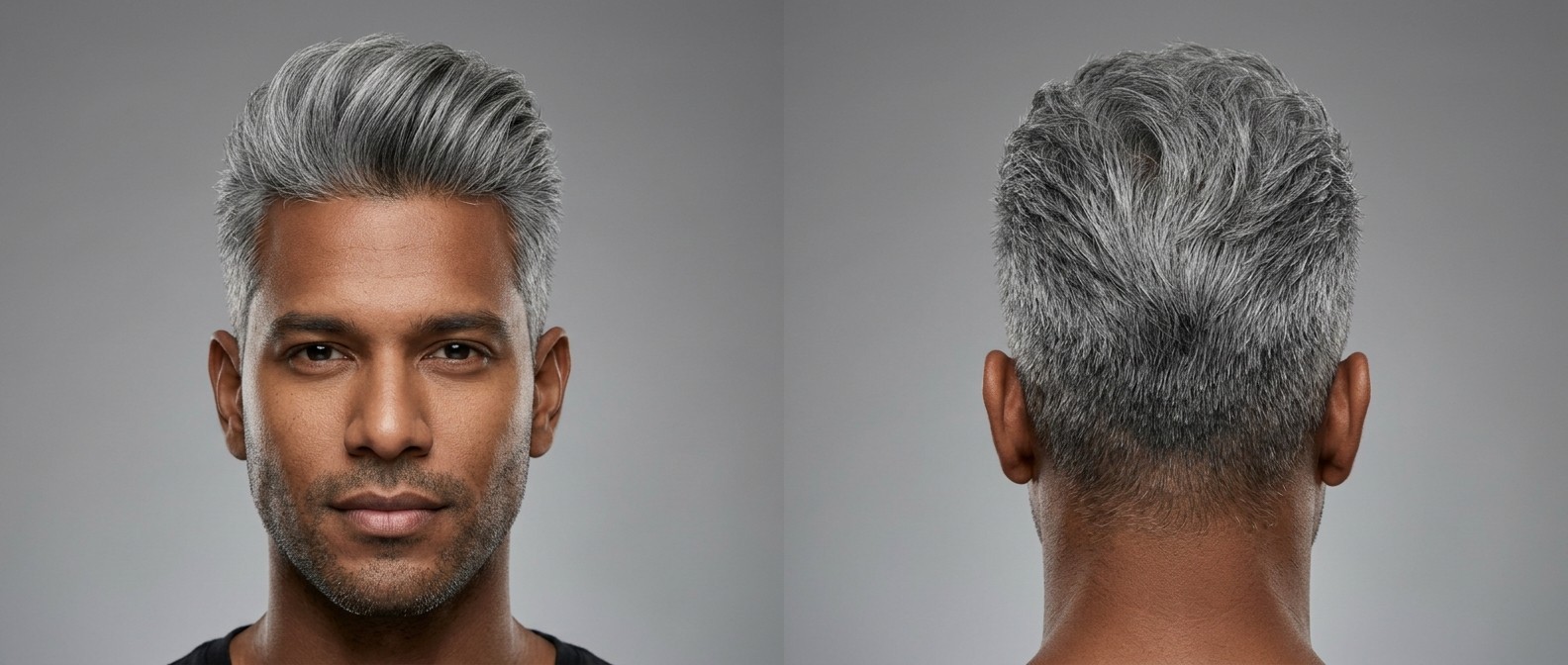
Quiff
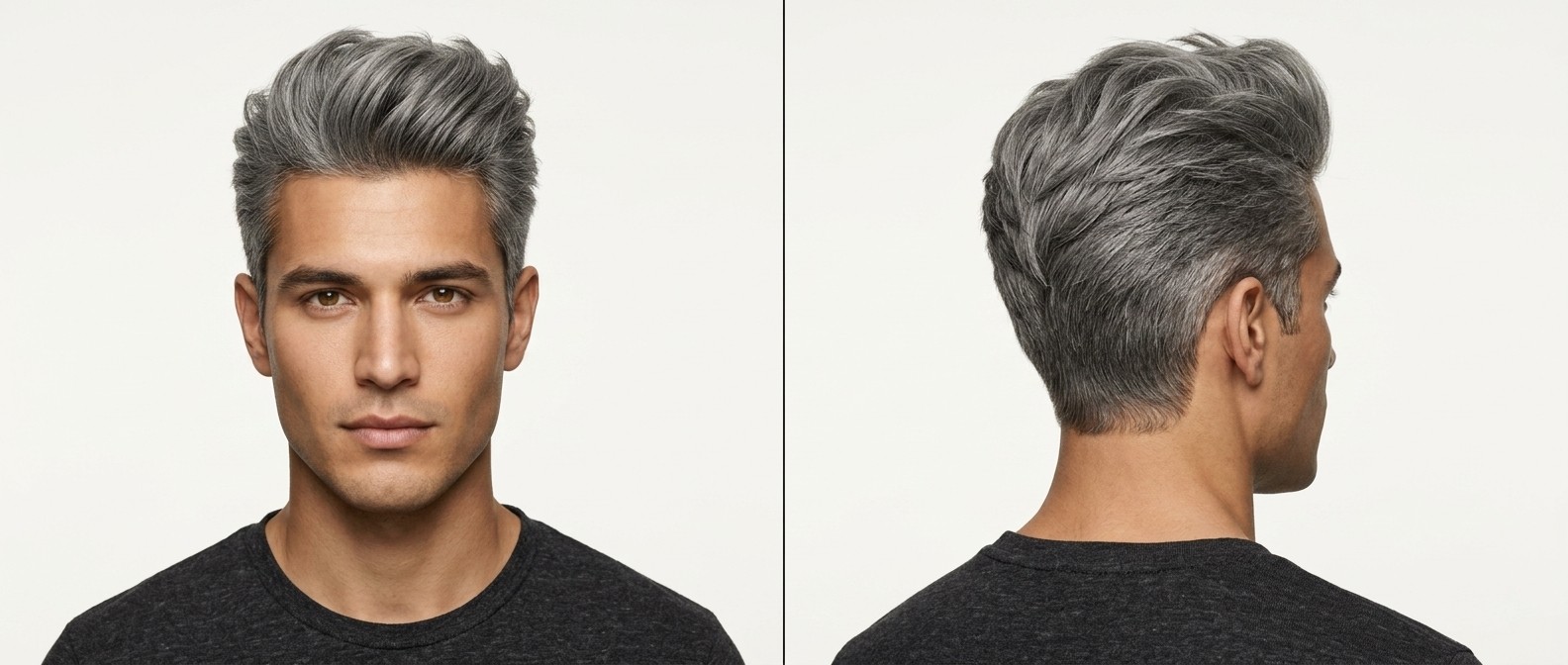
Voluminous Silver Quiff Haircut with Tapered Sides
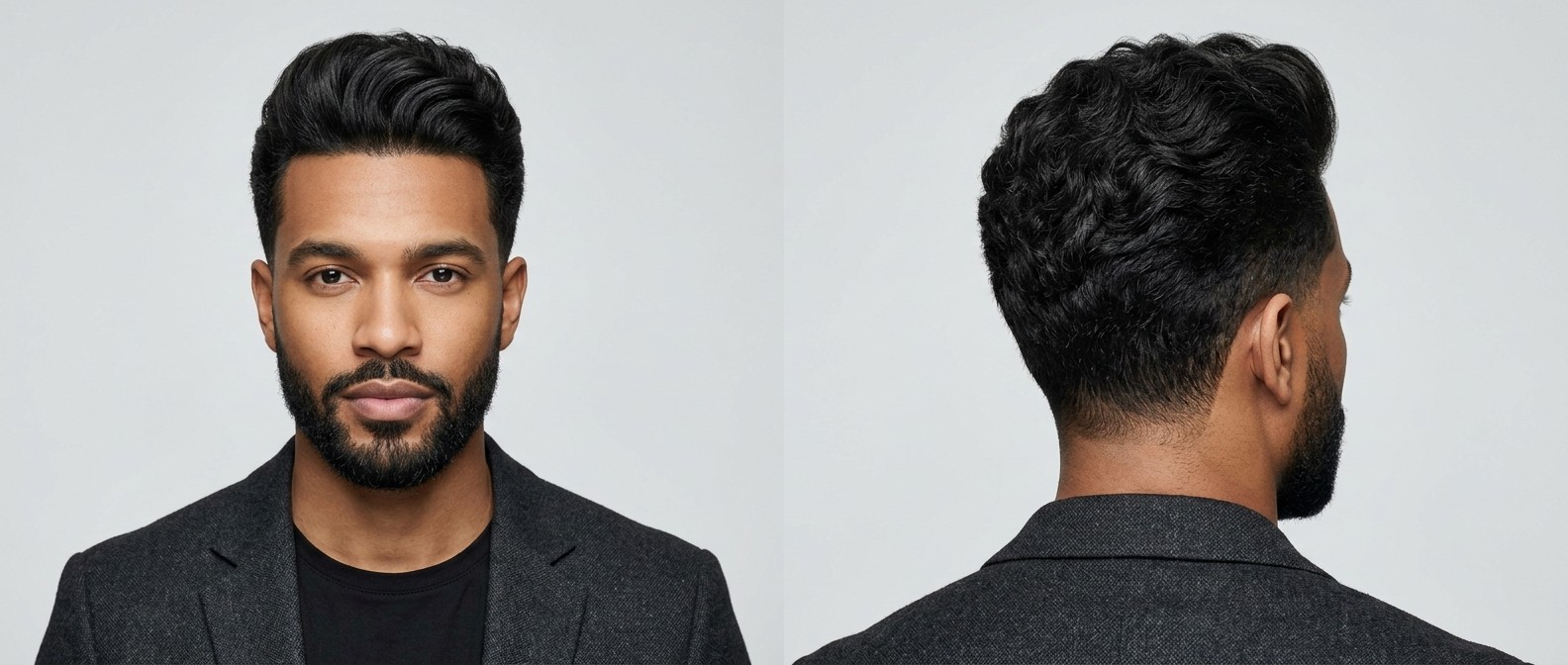
Quiff
Professional Wavy Quiff with Clean Tapered Sides for Thick Dense Hair
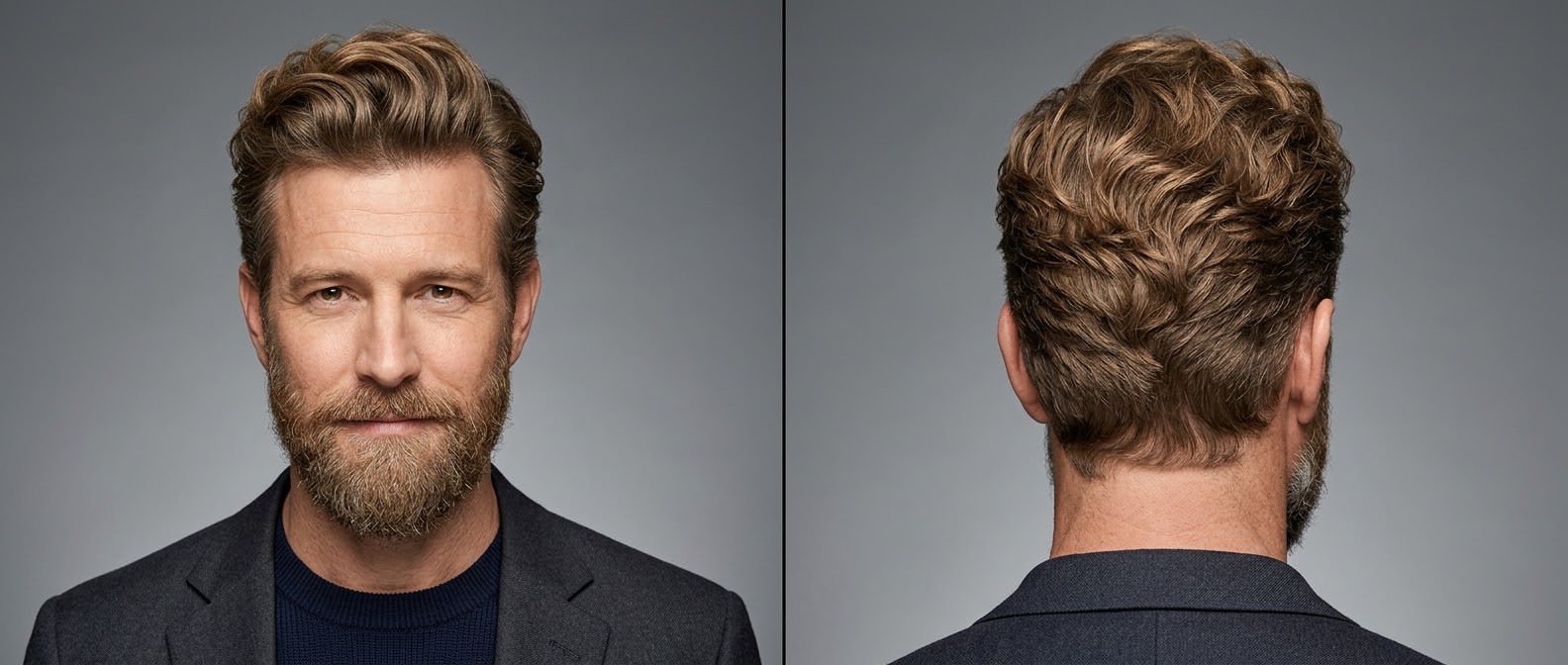
Quiff
Wavy Textured Quiff with Soft Scissor-Cut Sides and Full Beard
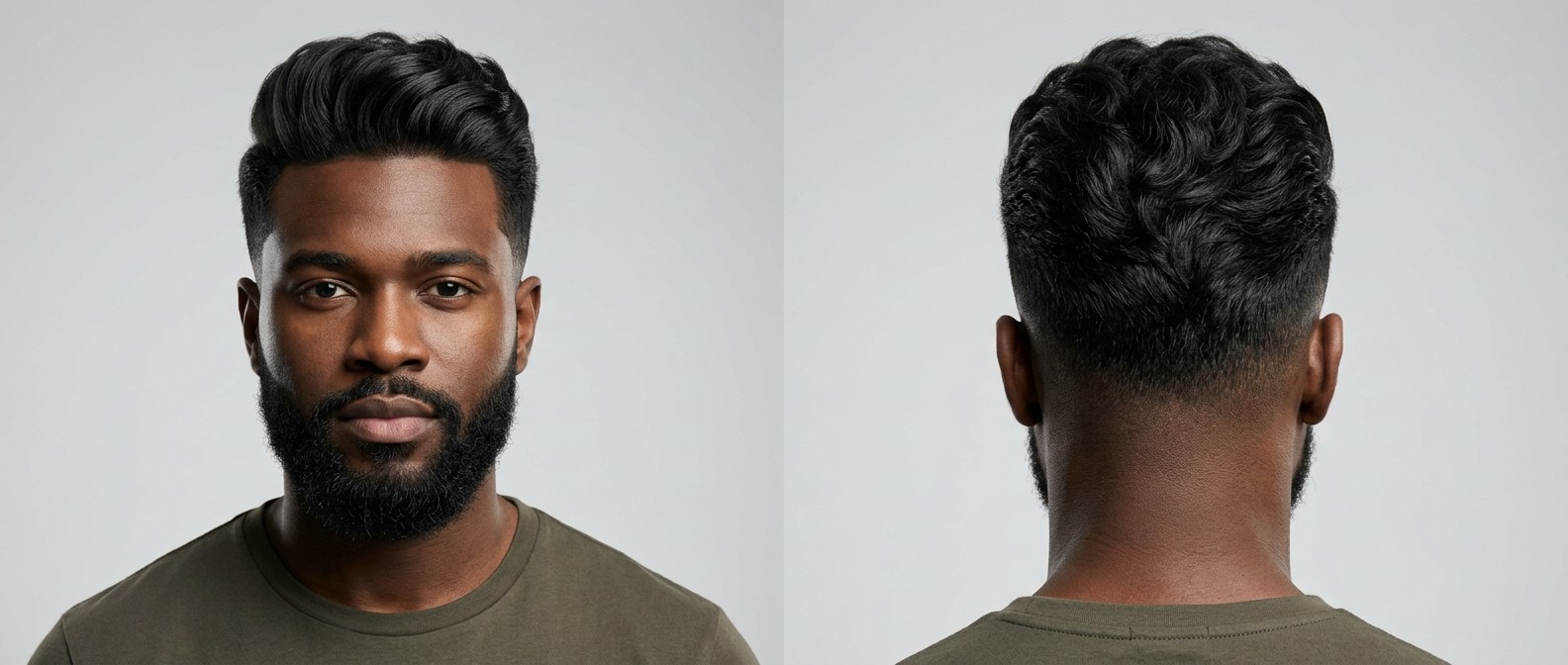
Quiff
Textured Wavy Quiff with Mid Drop Fade and Sharp Temple Line-Up
Quiff
Modern Wavy Textured Quiff Haircut with Tapered Sides and High Volume
Quiff