The Ultimate Guide to French Crop Styles for Oval Faces
Discover the best French crop variations tailored for oval face shapes. Learn how to ask your barber for the perfect textured cut and style it effortlessly.
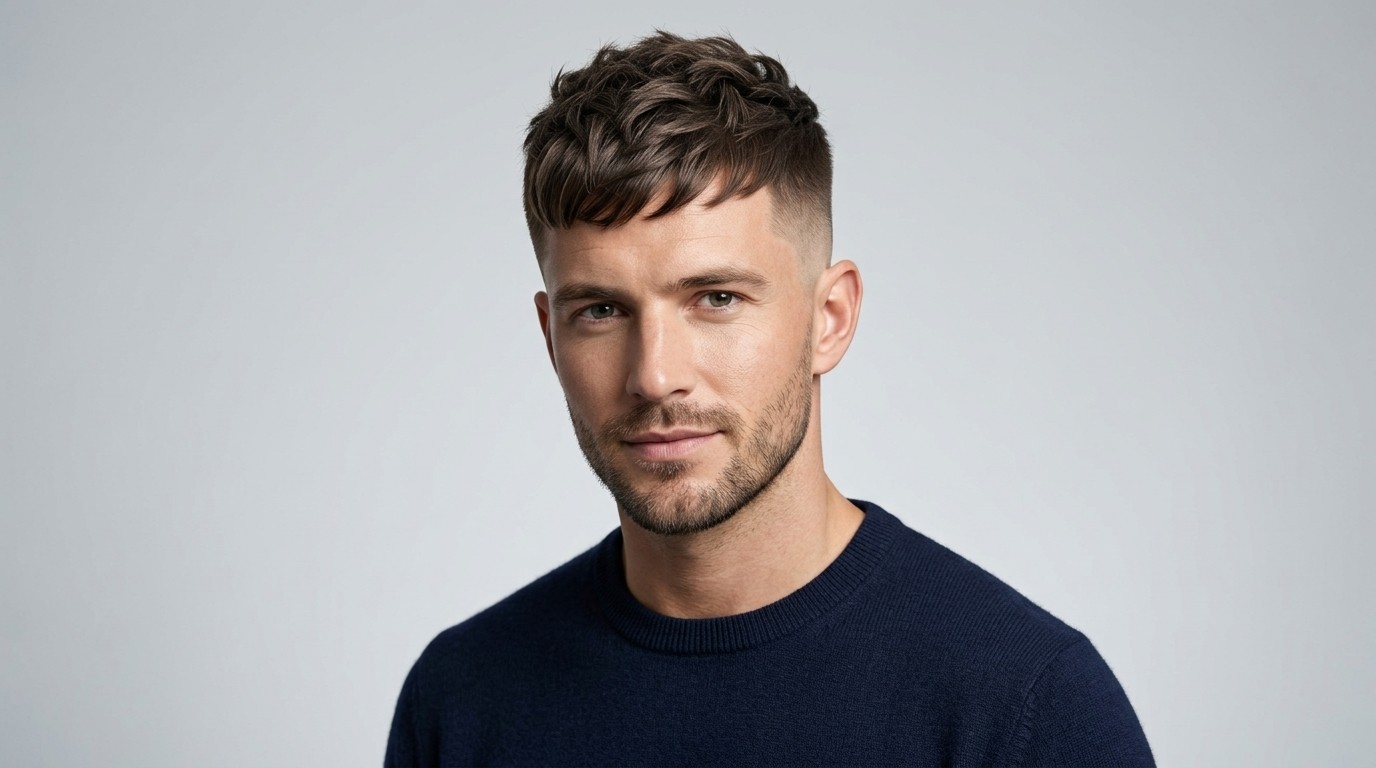
Finding the perfect haircut is often a complex equation involving hair type, personal style, and facial geometry. However, if you possess an oval face shape, you have essentially won the genetic grooming lottery. This naturally balanced structure provides the ideal canvas for a wide array of men's hairstyles. Yet, if you want a look that maximizes this balanced symmetry while delivering a sharp, contemporary edge, your search ends with the French Crop. This highly textured, forward-swept style has rapidly become a staple in modern barbershops, offering a customized aesthetic that perfectly complements the natural proportions of an oval face.
While many haircuts require careful manipulation to hide facial flaws or create artificial angles, the crop simply enhances what is already there. It is a masterclass in modern minimalism, relying on precise scissor work and tight clippers rather than handfuls of heavy styling products. Whether you are heading to a corporate office or a casual weekend outing, understanding how to tailor this specific cut to your unique facial structure will completely elevate your everyday appearance.
Why the Oval Face Shape Wins the Grooming Lottery
Before diving into specific scissor techniques and fade heights, it is crucial to understand why certain facial structures handle specific haircuts better than others. An oval face is characterized by proportions where the length of the face is greater than the width of the cheekbones, and the forehead is slightly wider than the jawline. The jaw itself features a softly rounded silhouette rather than sharp, aggressive right angles.
Because the proportions are already harmonized, you do not need a haircut that creates optical illusions. For instance, men with highly angular features often rely on specific fade styles for a square face to soften their harsh jawlines. Conversely, those with round faces need towering volume on top, which is why quiff-based cuts built for round faces exist in the first place. Your oval face requires neither of these corrective measures.
Because your face is slightly longer than it is wide, styles with massive, towering volume on top can actually disrupt your natural balance, making your head appear disproportionately stretched. This is exactly why a cropped style is the ultimate choice. By keeping the hair relatively close to the head and pushing the volume forward rather than upward, the style frames the face perfectly without distorting its natural, symmetrical length.
The Anatomy of a Perfect Textured Crop
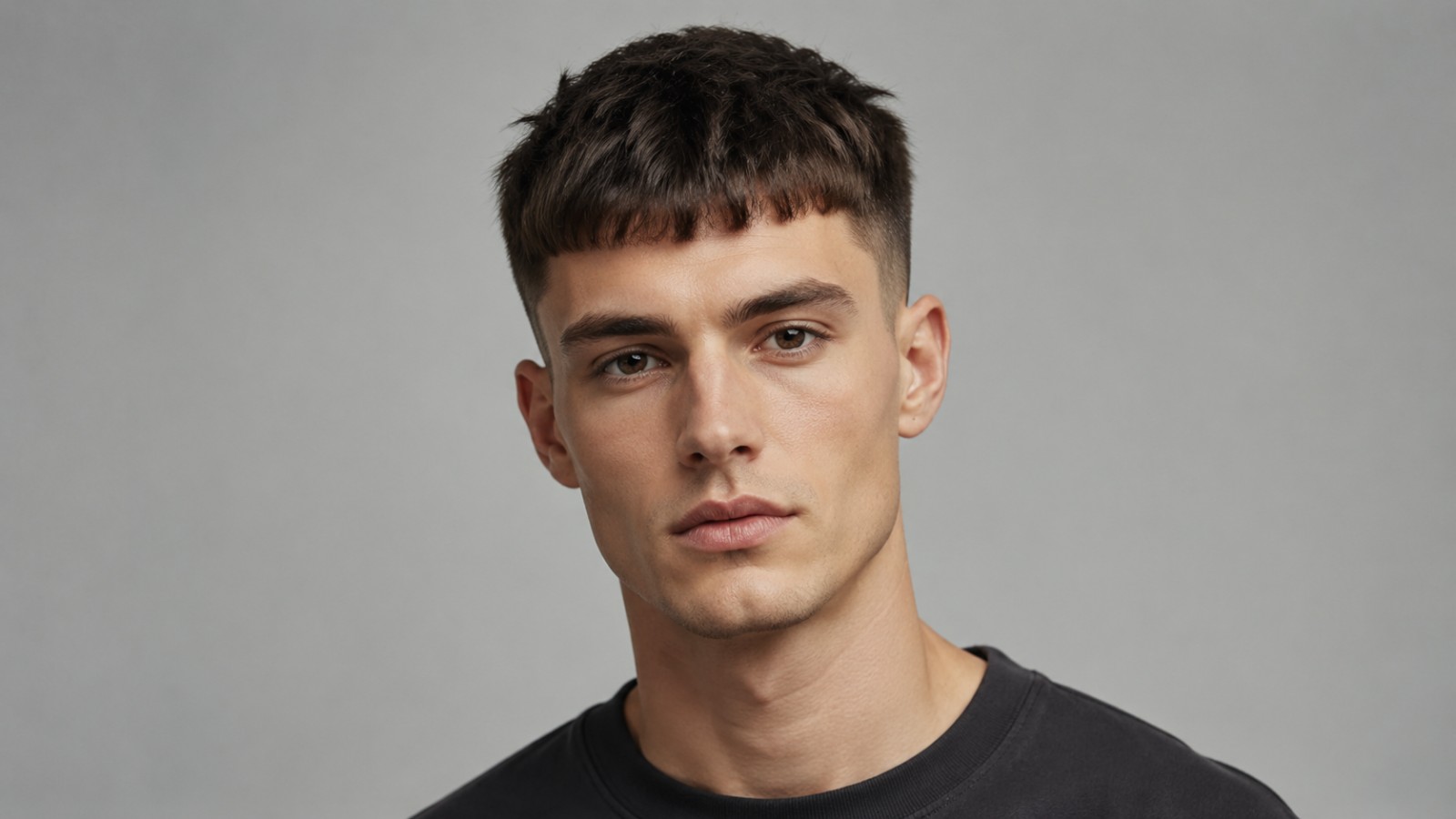
To fully appreciate the versatility of this haircut, you need to understand its fundamental architecture. A well-executed crop is not just short hair; it is a meticulously constructed style built on three distinct pillars: the sides, the top, and the fringe.
First, the sides and back are taken down tightly to the scalp. This removes bulk from the widest part of the head, ensuring the overall silhouette remains streamlined and masculine. Most modern variations utilize a seamless Skin Fade, which creates a striking visual contrast against the heavier hair on top.
Second, the hair on the crown and top of the head is left slightly longer, usually hovering between one and three inches. This is where the magic happens. A skilled barber will use a technique called point cutting—snipping vertically into the hair rather than cutting straight across—to create deep, jagged texture. This removes unnecessary weight and allows the hair to sit naturally in messy, piecey strands.
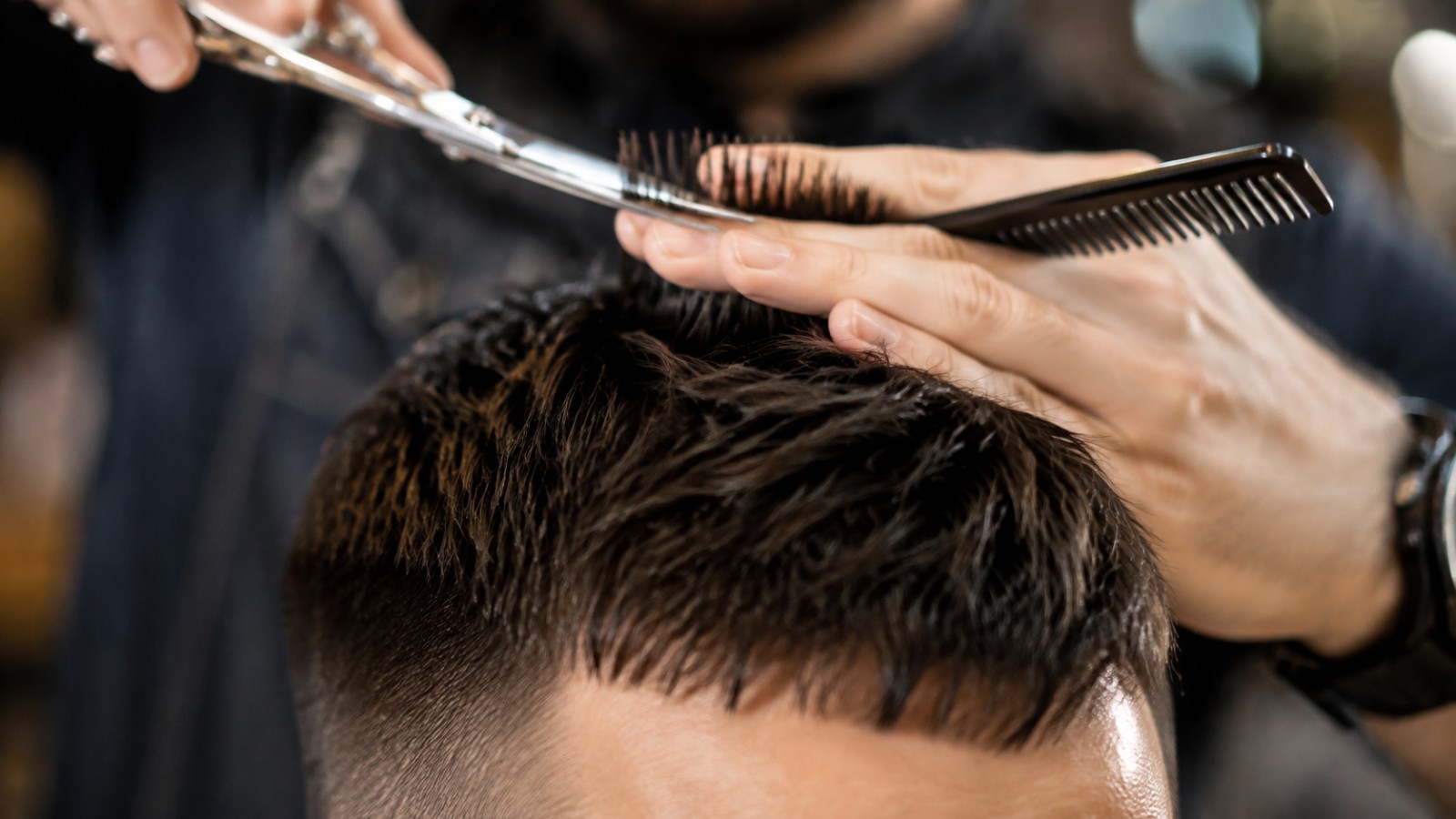
Finally, the fringe is the defining signature of the look. Unlike a traditional Caesar Cut, which features a very uniform, horizontal fringe that sits rigidly across the forehead, a modern crop's fringe is typically heavily texturized and slightly uneven. It sweeps forward to cover the upper portion of the forehead, anchoring the entire style and drawing immediate attention to your eyes and cheekbones.
Top Crop Variations Tailored for Oval Faces
Because the oval face acts as a universal adapter for hairstyles, you have the freedom to experiment with several distinct variations of this cut. The right choice ultimately depends on your hair's natural density and your personal aesthetic preferences.
The Classic Heavily Textured Crop
This is the gold standard. The classic variation leaves about two inches of length on top, heavily layered to maximize movement. The sides are usually tapered down to a mid fade or a low fade, keeping a small amount of weight around the parietal ridge (the widest part of the head). For an oval face, this is an incredibly safe yet stylish bet. The heavy texture breaks up any harsh lines, and the moderate fringe length gracefully shortens the forehead without completely hiding it. It works exceptionally well for men with thick, coarse hair that naturally wants to stand up or puff out.
The Blunt Fringe Crop
If you are looking to make a bolder, more fashion-forward statement, the blunt fringe is an exceptional option. Instead of shattering the ends of the bangs with point cutting, the barber cuts a stark, straight horizontal line across the forehead. On harsher face shapes, this harsh line can look severe and uninviting. However, because your oval face features soft, rounded curves at the jaw and cheeks, the sharp geometric line of the blunt fringe creates a stunning, highly editorial contrast. It is a high-impact look that requires absolute precision from your barber.
The Disconnected Crop
For men who want maximum contrast, the disconnected variation offers an aggressive, modern silhouette. In this style, the fade on the sides is taken exceptionally high, and the hair on top is left quite heavy. Crucially, the barber does not blend the top into the sides. Instead, they leave a distinct weight line where the long hair abruptly meets the shaved sides, similar to the mechanics of a Disconnected Undercut. This variation adds a subtle illusion of width to the top of the head, which perfectly complements the slightly elongated nature of an oval face.
The Choppy Micro Crop
If you prefer a hyper-masculine, military-inspired aesthetic that requires virtually zero morning maintenance, the micro crop is your best route. The hair on top is taken down to roughly an inch, and the fringe sits exceptionally high on the forehead—often just a half-inch below the natural hairline. It borders on being a textured, slightly grown-out buzz cut. Because oval faces do not need hair to hide undesirable proportions, exposing the entire forehead with a micro fringe looks confident, clean, and effortlessly sharp.
How to Ask Your Barber for the Exact Look
Walking into a barbershop and simply asking for "a crop" is a gamble. Barbershop terminology can vary wildly from city to city, and what one barber considers a standard crop, another might interpret entirely differently. To ensure you walk out with the exact style you envision, clear communication is absolutely vital. If you want to master the art of translating your desired look into barber terminology, you must be specific about the individual components of the haircut.
When you sit in the chair, use these specific directives to guide the consultation:
- Specify the fade: Clearly state how high you want the fade to go (low, mid, or high) and how short you want it taken down (e.g., down to the skin, or a number one guard).
- Define the fringe length: Point to the exact spot on your forehead where you want the bangs to rest. Do not use measurements like "half an inch"; physically point to the spot.
- Demand texture: Explicitly ask the barber to remove bulk and add texture using point cutting or thinning shears. Emphasize that you want a "piecey" look, not a solid block of hair.
- Discuss the blend: Tell the barber whether you want the top seamlessly blended into the faded sides, or if you prefer a sharper, disconnected weight line.
- Bring a photograph: Visuals eliminate all guesswork. Show a picture of a model who has a similar hair type and face shape to your own.
Styling Your Crop: Essential Products and Routines
One of the greatest advantages of this hairstyle is its low-maintenance daily routine. However, "low-maintenance" does not mean "no-maintenance." To get that coveted, gritty, separated texture, you need the right tools and a basic understanding of hair mechanics.
Start with slightly damp hair after a shower. If your hair is perfectly straight or lacks natural volume, consider utilizing a pre-styler such as a sea salt spray used the right way. Spritz a few pumps into the roots and use a blow dryer on medium heat. As you dry, use your fingers—never a comb—to push all the hair forward toward your forehead. Ruffling the hair aggressively with your fingertips while blow-drying will activate the texture your barber cut into the style.
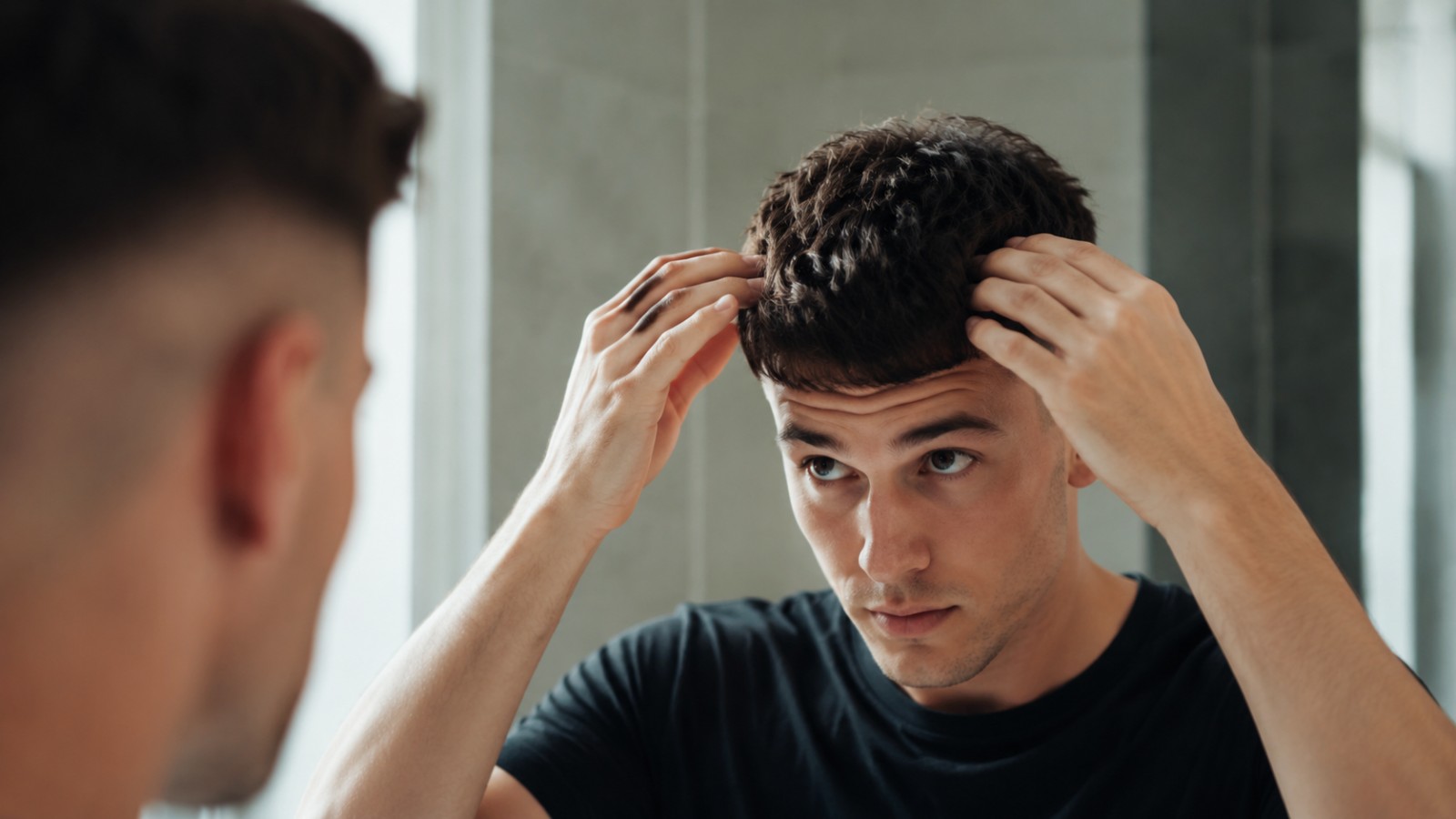
Once the hair is completely dry, it is time for the finishing product. The golden rule for this particular haircut is to avoid anything with a high shine. Wet-looking gels or heavy, greasy pomades will cause the hair to clump together, completely ruining the lightweight, shattered texture you are trying to achieve. Instead, you must master the art of choosing the right matte finish products.
A high-quality matte clay or a texture powder is your best friend. Scoop out a dime-sized amount of clay, rub it vigorously between your palms until it practically disappears, and then attack the hair. Start at the crown (the back of the top) and work your way forward, aggressively rubbing the product down into the roots. Once the product is distributed, use your fingertips to gently pinch and twist small sections of the fringe to create distinct, separated pieces. The goal is to make it look like you haven't tried at all—a cultivated, intentional mess.
Avoiding the Dreaded "Helmet" Effect
While the crop is incredibly forgiving on an oval face, there are a few critical missteps that can ruin the aesthetic. The most common issue is a lack of sufficient texture, which results in the hair sitting in a solid, heavy bowl-like shape. If the top is left too long and blunt, it quickly devolves into an unintentional Bowl Cut, which flatters absolutely no one.
Another frequent mistake is allowing the fringe to grow too long and heavy. When thick, blunt bangs completely cover the forehead and sit heavily just above the eyebrows, the style abruptly morphs into an Edgar Cut. While the Edgar has its own dedicated following, it is a very specific, aggressive aesthetic that is quite different from the refined, versatile nature of a classic French style.
Finally, avoid over-washing your hair. Shampooing every single day strips the scalp of its natural oils, leaving the hair overly fluffy, dry, and difficult to mold. Washing two to three times a week is usually sufficient. On the off days, simply rinse the hair thoroughly with warm water to remove the previous day's styling clay, allowing your natural oils to provide a gritty, moldable foundation for your morning routine.
Conclusion: Embracing Your Facial Geometry
Your oval face shape is a tremendous asset in the world of men's grooming, offering a perfectly balanced foundation that requires no optical illusions to look incredible. By choosing a highly textured, forward-swept style, you are actively highlighting your natural symmetry while embracing one of the most stylish, masculine haircuts of the modern era.
Whether you opt for a stark, blunt fringe to make a bold statement or a messy, heavily layered top for effortless weekend appeal, the key to success lies in the details. Find a barber who understands the importance of point cutting, invest in a premium matte clay, and embrace the beautifully chaotic texture that makes this haircut a timeless classic.